
ERP Courses & Certifications Online (2025)
Online ERP (Enterprise Resource Planning) courses offer a comprehensive understanding of integrated business processes, essential for managing operations across various industries. These courses provide significant career opportunities with the growing demand for ERP skills. Graduates can pursue roles such as ERP consultants, system analysts, and project managers. The knowledge gained from these courses enhances job prospects and potential for career advancement in a competitive job market.
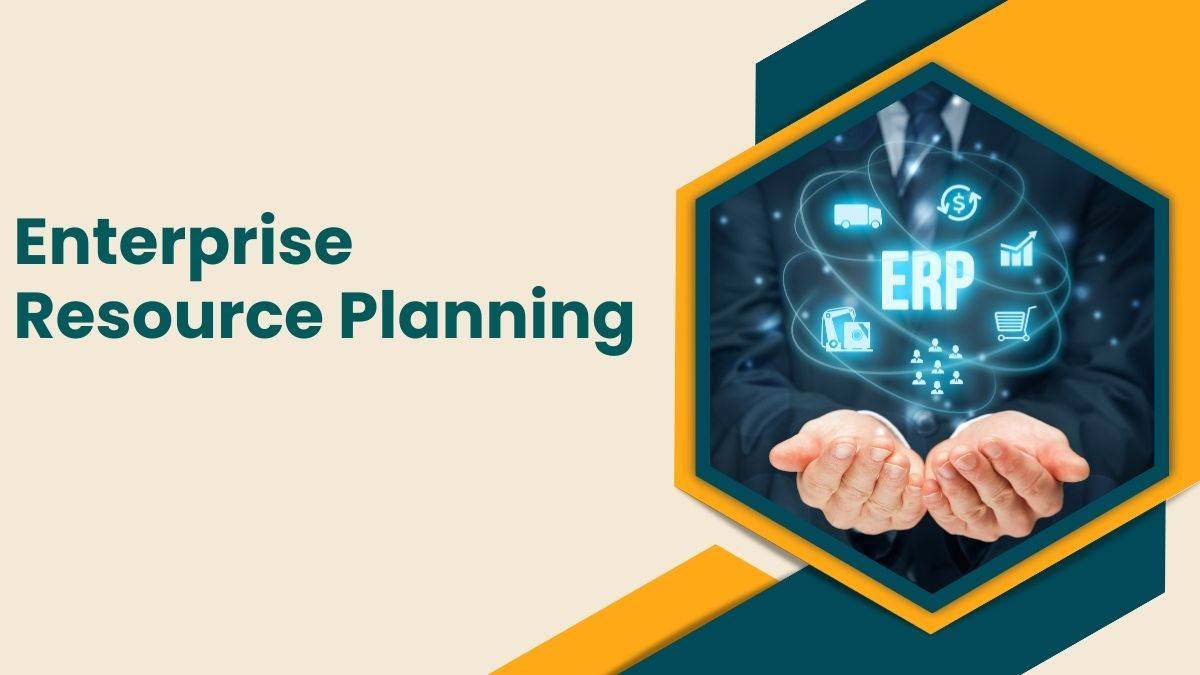
What if a business could streamline operations, improve efficiency, and boost profitability—all in one place? That’s where ERP (Enterprise Resource Planning) comes in. ERP systems integrate core business processes like finance, HR, and supply chain management. As per Statista research, with the market projected to reach $65.29 billion by 2029 at a 3.97% CAGR, mastering ERP is essential. Explore Fre
Online ERP (Enterprise Resource Planning) courses offer a comprehensive understanding of integrated business processes, essential for managing operations across various industries. These courses provide significant career opportunities with the growing demand for ERP skills. Graduates can pursue roles such as ERP consultants, system analysts, and project managers. The knowledge gained from these courses enhances job prospects and potential for career advancement in a competitive job market.
What if a business could streamline operations, improve efficiency, and boost profitability—all in one place? That’s where ERP (Enterprise Resource Planning) comes in. ERP systems integrate core business processes like finance, HR, and supply chain management. As per Statista research, with the market projected to reach $65.29 billion by 2029 at a 3.97% CAGR, mastering ERP is essential. Explore Free online ERP courses to gain fundamental and essential concepts in this growing field.
Enhance your expertise further with online management courses to develop strategic business skills.
Why Learn ERP (Enterprise Resource Planning) in 2025?
Choosing an ERP system in 2025 is essential for businesses aiming to enhance efficiency and competitiveness. Here are key reasons to consider:
- Increased Adoption of Cloud Solutions: By 2025, over 70% of ERP solutions are expected to be cloud-based, offering scalability and flexibility that on-premises systems cannot match.
- Enhanced Data Analytics: Advanced analytics capabilities will be integrated into ERP systems, with 60% of businesses planning to leverage AI and machine learning for real-time insights, driving better decision-making.
- Improved Integration: In 2025, 80% of organizations will prioritize ERP systems that seamlessly integrate with other business applications. It ensures a unified approach to data management and operational efficiency.
- Focus on Sustainability: As sustainability becomes a priority, 65% of companies will utilize ERP systems to track and manage their environmental impact, aligning with global sustainability goals.
- Remote Work Enablement: With the rise of remote work, 75% of ERP users will require systems that support remote access and collaboration, making cloud ERP a vital choice.
- Cost Efficiency: Businesses can expect a 20% reduction in operational costs through automation and streamlined processes offered by modern ERP systems.
- Regulatory Compliance: As regulations evolve, 70% of companies will rely on ERP systems to ensure compliance with industry standards, reducing the risk of penalties.
Source: Oracle NetSuite
Why Learn ERP (Enterprise Resource Planning) Online?
Learning ERP (Enterprise Resource Planning) online offers flexibility, industry-relevant skills, and hands-on experience in managing business operations. With ERP adoption growing, online courses help professionals master finance, supply chain, and HR processes, making them valuable assets in today's competitive business landscape.
Access to ERP-Specific Courses:
Online programs offer various ERP-specific courses, including finance, supply chain management, human resources, and customer relationship management modules. These tailored courses provide comprehensive knowledge along with specialized online finance courses and human resource courses to enhance business expertise and career growth.
Flexibility for Professionals:
Online learning allows professionals to continue their education and upskill without disrupting their careers. It enables them to balance work, studies, and personal commitments more effectively, making advancing their expertise in ERP systems easier.
Exposure to Diverse ERP Practices:
Online ERP programs often attract students from various regions and industries. This diversity provides exposure to different ERP practices, cultural perspectives, and real-world case studies from multiple organizational contexts, enriching the learning experience.
Networking with ERP Peers:
Many online ERP programs facilitate virtual networking events, discussion forums, and collaborative projects. These platforms allow students to connect with ERP professionals and peers worldwide, expanding their professional network and opening career opportunities.
Hands-on Experience with ERP Software:
Online ERP courses frequently incorporate training on widely used ERP software and information systems, such as SAP, Oracle, and Microsoft Dynamics. This hands-on experience prepares students for the technological aspects of ERP systems and makes them job-ready.
Stay Current with ERP Trends and Regulations:
Online ERP programs can quickly adapt curricula to reflect the latest trends, best practices, and regulatory changes in the ERP domain. This ensures that students receive up-to-date and relevant knowledge, keeping them ahead in their field.
Specialized ERP Tracks:
Online ERP courses often offer specialized tracks or concentrations in areas like strategic ERP management, ERP implementation, or ERP analytics. This allows students to tailor their studies to their specific career goals within the ERP field, enhancing their expertise in targeted areas.
Career in Enterprise Resource Planning
A Enterprise Resource Planning (ERP) career offers vast business process management, IT, and consulting opportunities. As ERP adoption grows, mastering these systems is essential. Online ERP courses provide hands-on training, equipping professionals with the skills to thrive in this dynamic field.
| Designation |
Estimated Average Salary Range (p.a) |
| ERP Consultant |
8.7 Lakhs |
| ERP Project Manager |
10.0 Lakhs |
| ERP Systems Analyst |
10.6 Lakhs |
| ERP Technical Developer |
8 Lakhs |
| ERP Functional Consultant |
6.0 Lakhs |
| ERP Implementation Specialist |
8.7 Lakhs |
| ERP Business Analyst |
8.6 Lakhs. |
| ERP Administrator |
3.8 Lakhs |
| ERP Integration Manager |
18.2 Lakhs |
| ERP Solution Architect |
29.7 Lakhs |
How to Learn Enterprise Resource Planning Online?
| Step |
Description |
| Identify Your Goals |
Determine what you aim to achieve with ERP knowledge (e.g., career advancement, specific job roles). |
| Research Programs |
Look for accredited online ERP courses and certifications from reputable institutions like Coursera, edX, or LinkedIn Learning. |
| Choose a Specialization |
Decide on a specific ERP system (e.g., SAP, Oracle, Microsoft Dynamics) that aligns with your career goals. |
| Enroll in Courses |
Sign up for introductory and advanced courses that cover ERP basics, modules, and system management. |
| Hands-on Practice |
Utilize the courses' online labs and ERP simulation tools to gain practical experience. |
| Join Online Communities |
Participate in forums, discussion groups, and professional networks related to ERP to gain insights and network with peers. |
| Utilize Free Resources |
Explore free online tutorials, webinars, and articles to supplement your learning. |
| Complete Projects |
Work on real-world projects or case studies to apply theoretical knowledge to practical scenarios. |
| Get Certified |
Obtain certifications from recognized bodies or vendors to validate your ERP skills and enhance your resume. |
| Stay Updated |
Keep up with the latest trends and updates in ERP systems through continuous learning and professional development. |
Top Online ERP Courses
- Certified Industrial Accountant by ICA
- Post Graduate Diploma in Enterprise Resource Planning (PGDERP) Online by College of Engineering
- Diploma in Computerized Accounting with GST Training using Tally Prime by UPTEC Computer Consultancy Limited
- Certified Industrial Accountant Plus by ICA Edu Skills Pvt. Ltd.
- SAP Certified Application Associate - Procurement with SAP ERP 6.0 EhP7 by SAP
- Tally ERP Fundamental Certificate Program (TFCP) by Tally Academy Idea Computers
- Tally Erp 9 + Tally Prime + GST - Certificate Course by Udemy
- Tally.ERP 9 Certification Training by Udemy
- Learn Tally by Internshala
- Prepare to teach MB-920: Microsoft Dynamics 365 Fundamentals (ERP) By Microsoft
What Will You Learn in Online ERP Courses
| Main Skill |
What You Will Learn |
| ERP Fundamentals |
Basic concepts and components of ERP systems, history and evolution, overview of ERP software and vendors |
| Business Process Integration |
Integration of finance, HR, supply chain, production; seamless information flow across departments |
| ERP Modules |
Detailed knowledge of key modules: Finance and Accounting, Human Resources, Supply Chain Management, Customer Relationship Management (CRM), Manufacturing and Production, Project Management |
| ERP Software Proficiency |
Hands-on experience with ERP software (SAP, Oracle, Microsoft Dynamics); navigating, configuring, and customizing ERP solutions |
| Data Management and Reporting |
Managing master data, creating and analyzing reports, utilizing ERP for business intelligence and decision-making |
| ERP Implementation |
ERP implementation lifecycle, steps and methodologies, change management, training during implementation |
| System Configuration and Customization |
Configuring ERP systems, customizing modules and interfaces, developing user-defined fields, workflows, and reports |
| ERP Integration |
Integrating ERP with other software applications, ensuring data consistency, utilizing middleware and APIs |
| Security and Compliance |
Implementing security measures, ensuring compliance with regulations, managing user roles and permissions |
| Troubleshooting and Support |
Identifying and resolving system issues, providing end-user support, monitoring system performance, regular maintenance |
| Project Management Skills |
Applying project management principles, planning and executing ERP projects, risk management, quality assurance |
| Soft Skills |
Enhancing communication, teamwork, problem-solving, critical thinking, adapting to technological changes |
Conclusion
ERP online courses offer comprehensive training in essential business processes and ERP software, providing valuable skills for career advancement. They cover everything from system configuration to data management and project implementation.
With flexible learning options and practical experience, these courses prepare professionals to effectively manage and optimize business operations in various industries, enhancing job prospects and career growth.
 All FiltersClear All


- (73)
- (15)
- (5)
- (5)
- (4)
- (2)
- (1)
- (1)
- (1)
- (1)
- (1)
- (1)
- (116)
- (6)
- (5)
- (1)
- (1)
- (1)
- (1)
- (1)
- (1)
- (1)
- (6)
- (37)
- (8)
- (22)
- (18)
- (17)
- (9)
- (1)
- (96)
- (18)
- (11)
- (9)
- (5)
ERP Courses & Certifications Online (2025)


Commonly asked questions On ERP Online Courses & Certifications (2025)
To learn ERP Software concepts, one needs to have the following skill set -
| Skills | Details |
|---|---|
| Basic Computer Skills | Be comfortable using software and working with large data. |
| Understanding Business | Know simple things about accounts, sales, HR, or inventory. |
| Communication | You should know how to explain ERP to others in easy words. |
| Problem-Solving | One needs to have an attitude that drives them to solve any potential problem in handling the workflow. |
| Teamwork | One needs to make sure every department is on the same page while adhering to the ERP processes. |
| Technical Skills | A little prior experience in handling data in tools like Excel and beginner-friendly ERP software will also help an individual to excel at ERP operations eventually. |
Note: The above information is sourced from external sites and may vary.
You can work at various places after gaining hands-on training/ learning of the ERP system. Some of the companies that actively use ERP software are firms working in the manufacturing, retail, banking, healthcare, logistics, construction, and IT sectors. These industries offer Jobs, including ERP End-User, ERP Analyst, and ERP Administrator. Industries like Education, Healthcare, Finance, and Government projects offer School ERP Admin or Hospital ERP Specialist.
The following industries have the most use of ERP software, interested candidates can refer to the table below to know more about the use of this software by various industry professionals.
| Industry | ERP Use |
|---|---|
| Human Resources | To keep records of employee names, details, leaves, grievances, and salaries. |
| Factories | To keep a record of raw material, worker details, input, and output production data. |
| Shops/ Malls | To keep a record of Sales data, customer profiles, bills, etc. |
| Schools/ Colleges | To keep student details, fee tracking, teacher's salaries, leaves, etc. |
| Hospitals | Patient details, employee details, bills, staff punch-ins and punch-outs, etc. |
| Logistics | To keep a record of deliveries, product units, payments, client details, etc. |
Note: The information above is sourced from external sites and may vary.
Different types of ERP software are mentioned in the table below. All these software have different specialities and individual strengths and weaknesses. Different organizations can research and choose the best ERP System that aligns well with their procedures.
| Different ERP Software | ||
|---|---|---|
| SAP | Oracle | Microsoft |
| Infor | Acumatica | Sage |
Note: The information above is sourced from external sites and may vary.


Commonly asked questions On ERP Online Courses & Certifications (2025)
Using ERP does not require any kind of coding. Using ERP software is about learning the know-how of different types of ERP software and operating it in a way that your company benefits from it in terms of management. Working with ERP has no use of coding, but people who make ERP systems might use coding while developing it.
The ERP syllabus shall vary based on the course objectives one is opting for. Different courses provide ERP training in different modules, so deciding on a single syllabus in order to learn ERP software is not correct. But some of the common functions one has to conduct while using an ERP software are mentioned below:
- Integration of information from various sources/ departments.
- Automation of different things, like attendance, producing bills, and salary slips.
- Customization of the ERP functions according to your company needs.
- Real-time updates are provided as everything recorded often happens in the present.
- Analytics & Reporting of different data points recorded over time.
 Collections often explored by students