

Exemplar Solution
Get insights from 1.3k questions on Exemplar Solution, answered by students, alumni, and experts. You may also ask and answer any question you like about Exemplar Solution
Follow Ask QuestionQuestions
Discussions
Active Users
Followers
New answer posted
a year ago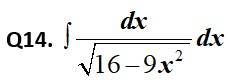
Contributor-Level 10
This is a Short answer type Questions as classified in NCERT Exemplar

New answer posted
a year ago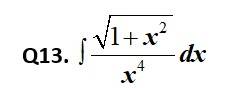
Contributor-Level 10
This is a Short answer type Questions as classified in NCERT Exemplar

New answer posted
a year agoContributor-Level 10
This is a Short answer type Questions as classified in NCERT Exemplar
Sol:
New answer posted
a year agoContributor-Level 10
This is a long answer type question as classified in NCERT Exemplar
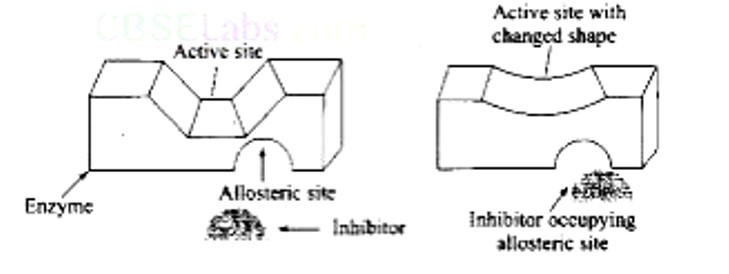
Enzyme inhibitors block the binding site of enzyme and prevent the binding of substrate and then inhibit the catalytic activity of enzyme. They act in two different ways.
(i) Drugs which compete with substrate for their attachment on the active sites of enzymes are called competitive inhibitor.
(ii) Some drugs bind to a different site of enzyme called allosteric site. It changes the shape of the active site and substrate cannot recognize it. Such enzymes are called non-competitive inhibitor the bond formed between enzyme and an inhibitor is strong covalent bond then enz
New answer posted
a year ago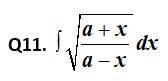
Contributor-Level 10
This is a Short answer type Questions as classified in NCERT Exemplar

New answer posted
a year ago
Contributor-Level 10
This is a Short answer type Questions as classified in NCERT Exemplar

New answer posted
a year agoContributor-Level 10
This is a long answer type question as classified in NCERT Exemplar
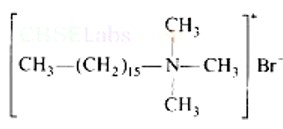
Synthetic detergents are cleansing agents which have all the properties of soaps, but which actually do not contain any soap. These can be used both in soft and hard water as they given foam even in hard water. Detergents can be classified into three groups according their chemical nature.
(i) Anionic detergents – These are sodium salts of sulphonated long chain alcohols or hydrocarbons and sodium alkyl benzene sulphonates. e.g., CH3 (CH2)10CH2OSO3– Na+
Anionic part of these detergents is involved in cleansing action.
(ii) Cationic detergents – These are quate
New answer posted
a year agoContributor-Level 10
This is a Short answer type Questions as classified in NCERT Exemplar

New answer posted
a year ago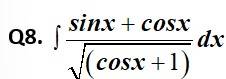
Contributor-Level 10
This is a Short answer type Questions as classified in NCERT Exemplar
New answer posted
a year agoContributor-Level 10
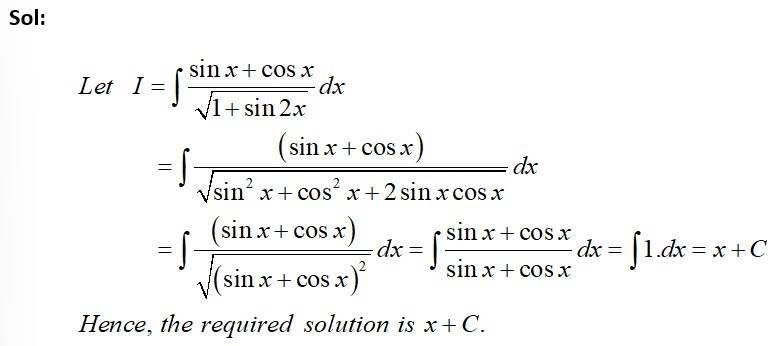
This is a Short answer type Questions as classified in NCERT Exemplar
Sol:
Taking an Exam? Selecting a College?
Get authentic answers from experts, students and alumni that you won't find anywhere else
Sign Up on ShikshaOn Shiksha, get access to
- 66k Colleges
- 1.2k Exams
- 714k Reviews
- 1850k Answers