

Physics
Get insights from 5.6k questions on Physics, answered by students, alumni, and experts. You may also ask and answer any question you like about Physics
Follow Ask QuestionQuestions
Discussions
Active Users
Followers
New answer posted
a year agoContributor-Level 10
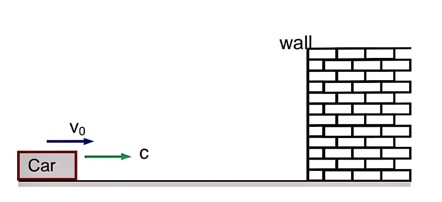
Initially wall will act as observer, so with the help of Doppler's effect, we can write
Now wall will act as source of sound of frequency f', so With the help of Doppler's effect, we can write
New answer posted
a year ago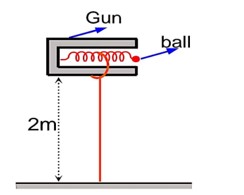
Contributor-Level 10
Let ball starts its motion with horizontal velocity v0, so with the help of conservation of mechanical energy, we can write
t = Time required to fall the ball =
New answer posted
a year agoContributor-Level 10
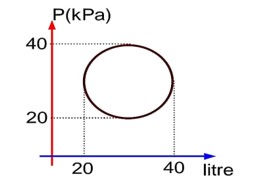
The equation of wave at any time t will be
New answer posted
a year agoContributor-Level 10
In the frame of vehicle, vehicle is in equilibrium under the influence of pseudo force FP
N = mg cos 30° + FP sin 30°
, and
By doing (1) * cos 30° - (2) * sin 30°, we have
New answer posted
a year ago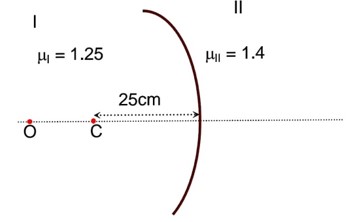
Contributor-Level 10
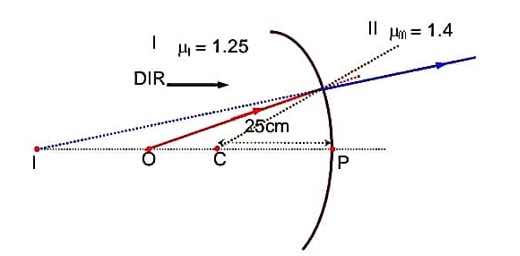
Since direction of incident ray (DIR) is from left to write, so considering refraction at point M, we can write
->
New answer posted
a year ago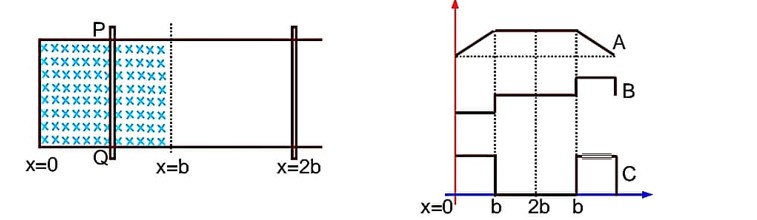
Contributor-Level 10
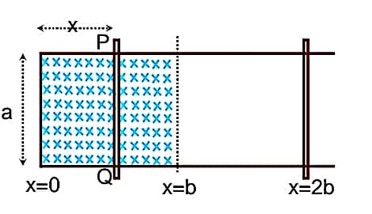
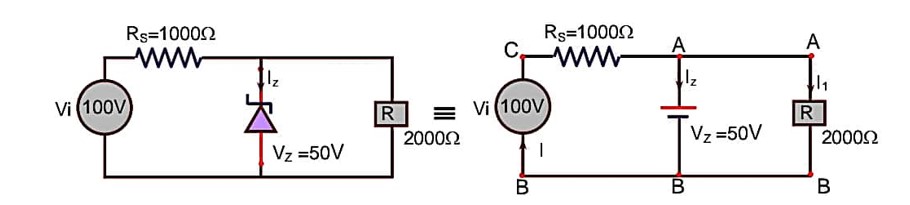
When arm PQ of a rectangular conductor is moving from x = 0 to x = b, the flux
New answer posted
a year agoContributor-Level 10
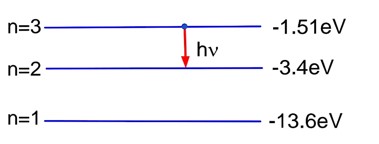
As we know that radius of circular path in magnetic field is given as
= 1.08 eV
New answer posted
a year agoContributor-Level 10
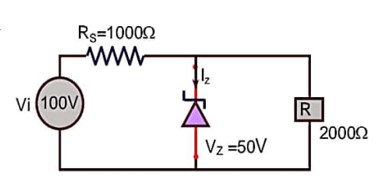
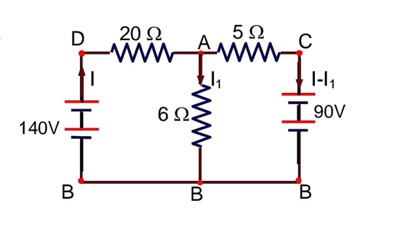
Method-I : Using Kirchhoff's Law for loop we can write
Using Kirchhoff's Law for loop
we can write
->-5l + 11l1 = 90 .(ii)
Adding equation (1) with twice the equation (2), we have
Method-II : Using concept of equivalent cell, we can write
Taking an Exam? Selecting a College?
Get authentic answers from experts, students and alumni that you won't find anywhere else
Sign Up on ShikshaOn Shiksha, get access to
- 67k Colleges
- 1.2k Exams
- 718k Reviews
- 1850k Answers