

Class 12th
Get insights from 12k questions on Class 12th, answered by students, alumni, and experts. You may also ask and answer any question you like about Class 12th
Follow Ask QuestionQuestions
Discussions
Active Users
Followers
New answer posted
a year agoContributor-Level 10
This is a short answer type question as classified in NCERT Exemplar
New answer posted
a year agoContributor-Level 10
This is a short answer type question as classified in NCERT Exemplar
New answer posted
a year agoContributor-Level 10
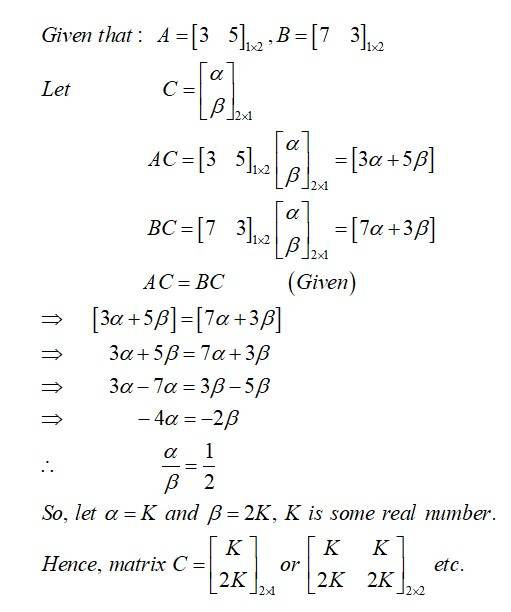
This is a short answer type question as classified in NCERT Exemplar
New answer posted
a year ago
Contributor-Level 10
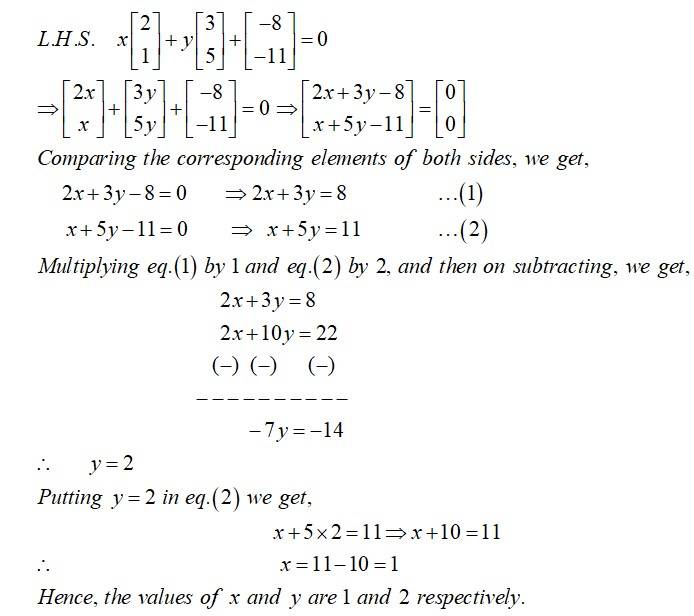
This is a short answer type question as classified in NCERT Exemplar
New answer posted
a year ago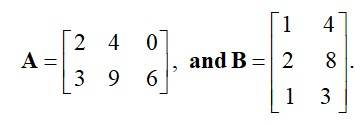 Is
Is Contributor-Level 10
This is a short answer type question as classified in NCERT Exemplar
New answer posted
a year agoContributor-Level 10
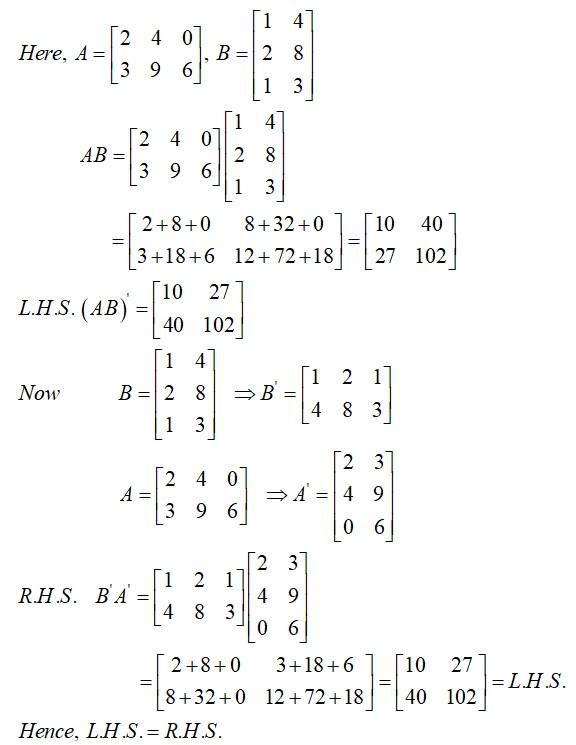
This is a short answer type question as classified in NCERT Exemplar
New answer posted
a year ago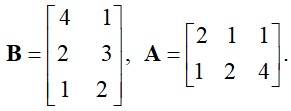
Contributor-Level 10
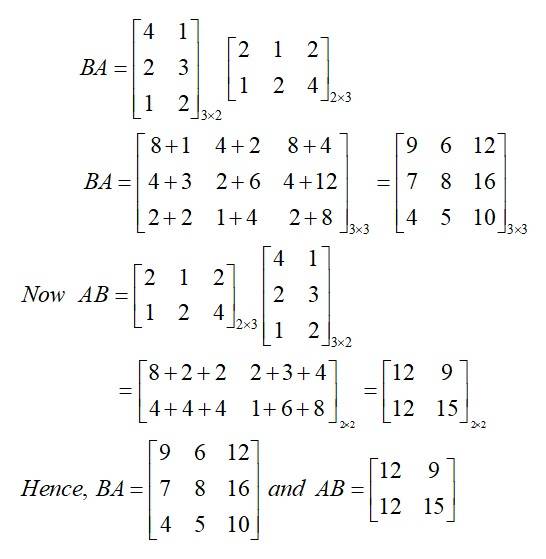
This is a short answer type question as classified in NCERT Exemplar
New answer posted
a year agoContributor-Level 10
2.16 Electric field on one side of a charged body is and electric field on the other side of the same body is If infinite plane charged body has a uniform thickness, then electric field due to one surface of the charged body is given by,
= ………….(i)
Where,
= unit vector normal to the surface at a point
= surface charge density at that point
Electric field due to the other surface of the charged body is given by
= ………….(ii)
due to the two surfaces,
……(iii)
= =
Therefore, the electric field just outside the conductor is
W
New answer posted
a year agoContributor-Level 10
2.31 The force between two conducting spheres is not exactly given by the expression /4 , because there is non-uniform charge distribution on the spheres.
Gauss's law will not be true, if Coulomb's law involved dependence, instead of , on r
Yes. If a small test charge is released at rest at a point in an electrostatic field configuration, then it will travel along the field lines passing through the point, only if the field lines are straight. This is because the field lines give the direction of acceleration and not the velocity.
Whenever the electron completes an orbit, either circular or elli
New answer posted
a year ago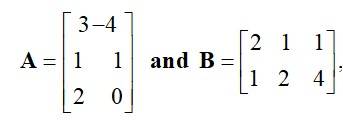 then verify
 Contributor-Level 10
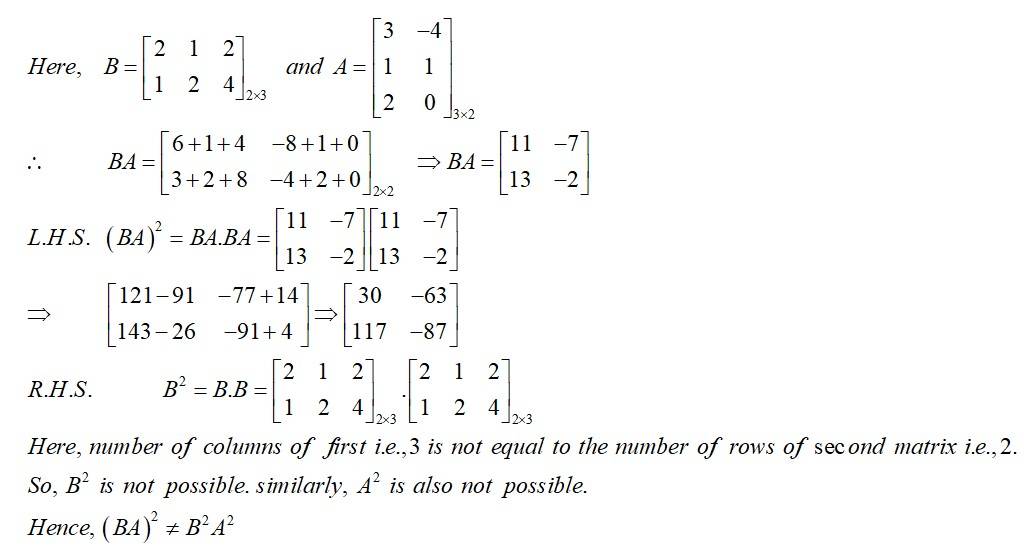
This is a short answer type question as classified in NCERT Exemplar
Taking an Exam? Selecting a College?
Get authentic answers from experts, students and alumni that you won't find anywhere else
Sign Up on ShikshaOn Shiksha, get access to
- 67k Colleges
- 1.2k Exams
- 718k Reviews
- 1850k Answers