

Class 12th
Get insights from 12k questions on Class 12th, answered by students, alumni, and experts. You may also ask and answer any question you like about Class 12th
Follow Ask QuestionQuestions
Discussions
Active Users
Followers
New answer posted
a year ago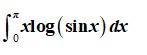
Contributor-Level 10
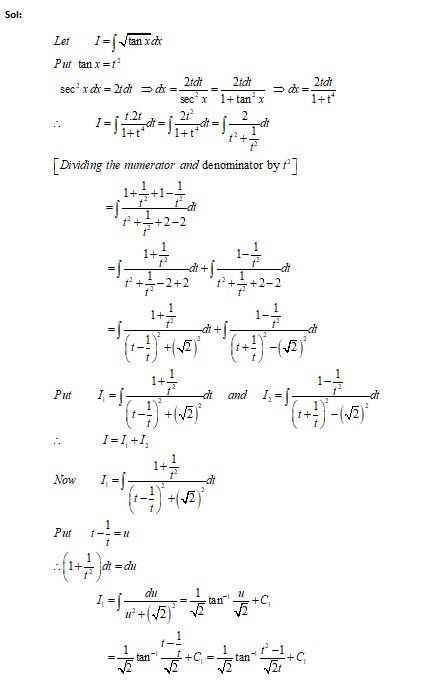
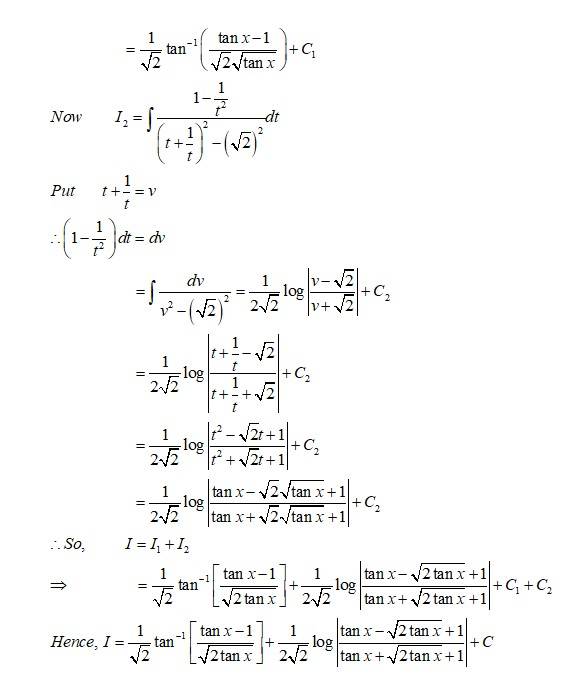
This is a Long Answer Type Questions as classified in NCERT Exemplar
Sol:
New answer posted
a year ago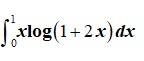
Contributor-Level 10
This is a Long Answer Type Questions as classified in NCERT Exemplar
Sol:
New answer posted
a year ago
Contributor-Level 10
This is a Long Answer Type Questions as classified in NCERT Exemplar
New answer posted
a year agoContributor-Level 10
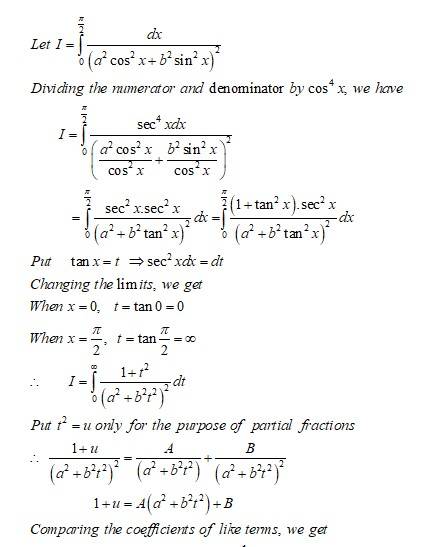
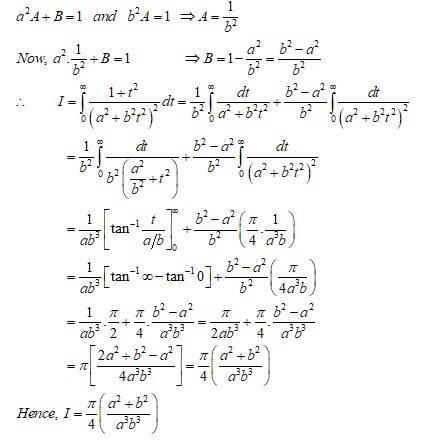
This is a Long Answer Type Questions as classified in NCERT Exemplar
New answer posted
a year agoContributor-Level 10
Some of the most frequently tested topics for high scores are finding the adjoint and inverse of a matrix, solving equations using Cramer's Rule, expansion using cofactors, and properties of determinants. If students practice questions based on these topics, they can get high scores in the CBSE Board exam and entrance exams.
New answer posted
a year agoContributor-Level 10
In finding inverses of matrices, solving systems of linear equations, and understanding matrix transformations, the determinants play a crucial role. The Determinants concept is widely used in physics, engineering, computer Science and competitive exams like JEE. Understanding determinants is important for higher mathematical studies.
New answer posted
a year agoContributor-Level 10
The exemplar is beyond the NCERT textbook as it is conceptually more deep and challenging than the NCERT textbook exercises. These MCQs, LA, and SA questions help students improve their logical reasoning and help them prepare for competitive exams. It tests students on higher-order and application-based questions and promotes analytical thinking.
New answer posted
a year ago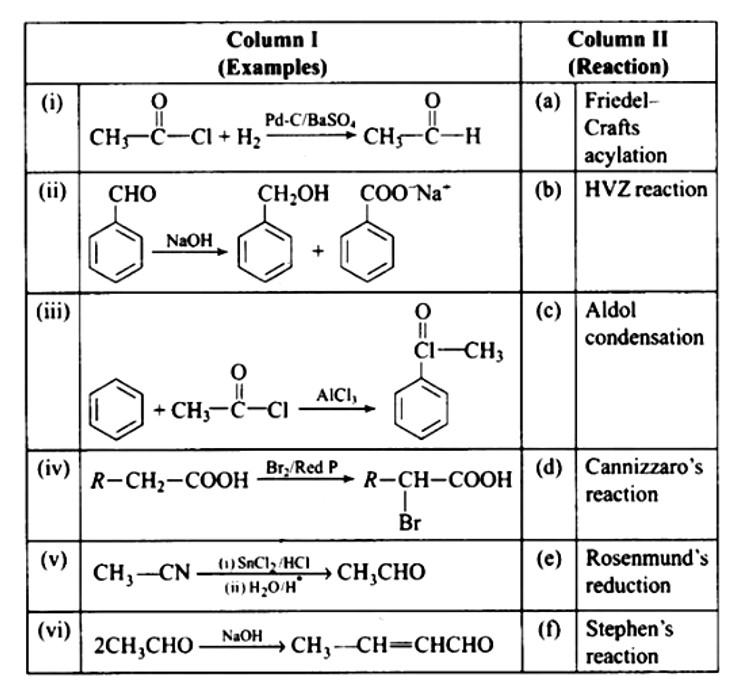
Contributor-Level 10
This is a Matching Type Questions as classified in NCERT Exemplar
Ans: (i) — (e); (ii) — (d); (iii) — (a); (iv) — (b); (v) — (f); (vi) — (c)
New answer posted
a year ago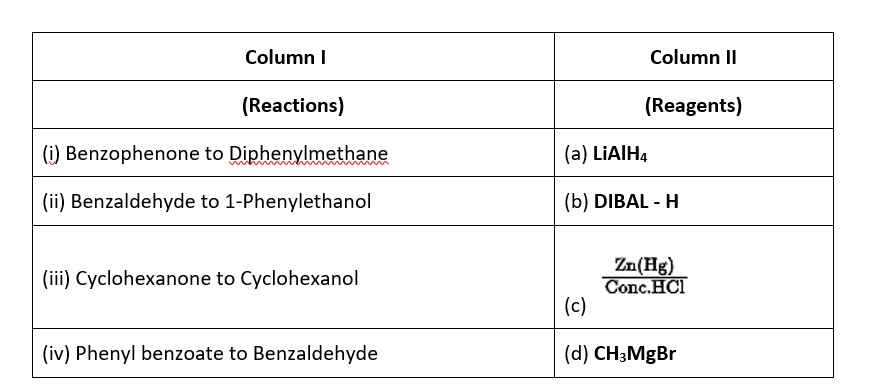
Contributor-Level 10
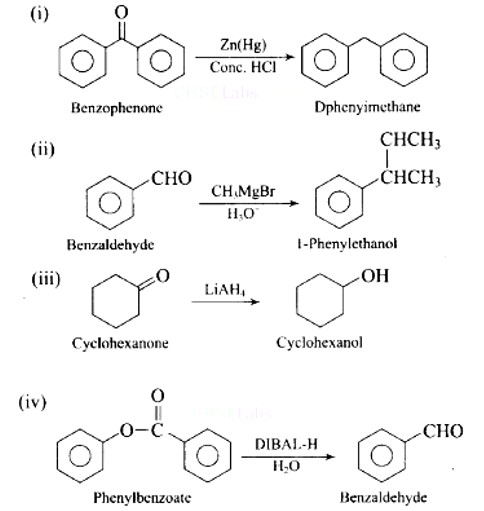
This is a Matching Type Questions as classified in NCERT Exemplar
Ans: (i) → (c); (ii) → (d); (iii) → (a); (iv) → (b).
New answer posted
a year ago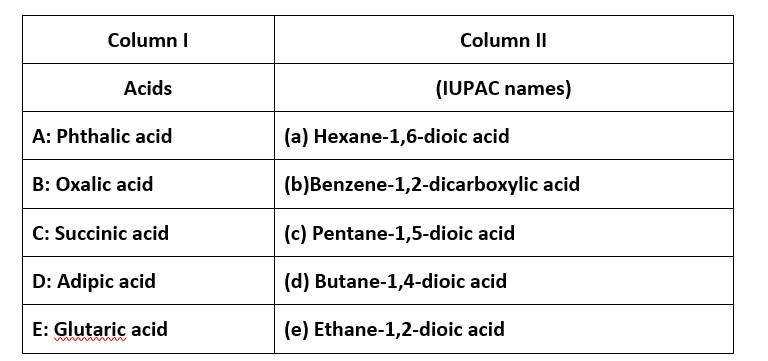
Contributor-Level 10
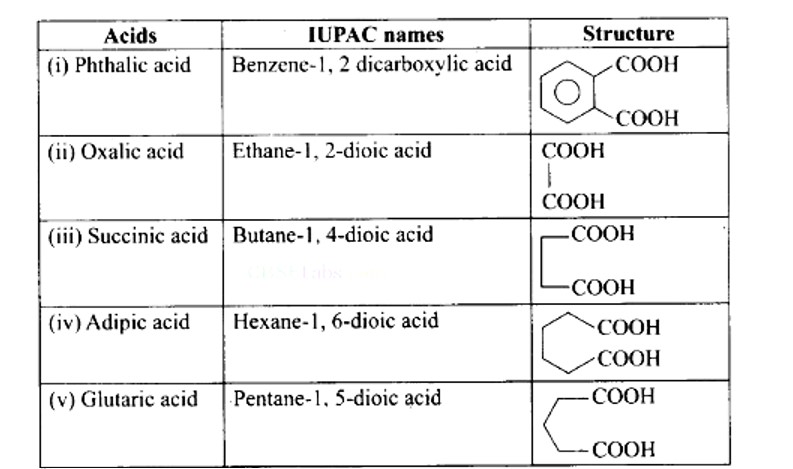
This is a Matching Type Questions as classified in NCERT Exemplar
Ans: (i) → (b); (ii) → (e); (iii) → (d); (iv) → (a); (v) → (c)
Taking an Exam? Selecting a College?
Get authentic answers from experts, students and alumni that you won't find anywhere else
Sign Up on ShikshaOn Shiksha, get access to
- 67k Colleges
- 1.2k Exams
- 718k Reviews
- 1850k Answers