

Physics Current Electricity
Get insights from 213 questions on Physics Current Electricity, answered by students, alumni, and experts. You may also ask and answer any question you like about Physics Current Electricity
Follow Ask QuestionQuestions
Discussions
Active Users
Followers
New answer posted
a year agoContributor-Level 10
R =? *L/A
This is the formula of calculating a wire's resistance. If you look closely at the formula,
A= cross sectional area
More the surface area, more will be the area for passage of free electrons.
Hence, we can easily conclude that thickness of a wire plays an jmportant role in determining it's conductivity.
New answer posted
a year agoContributor-Level 10
This happens due to the lack of electrons. Metals have a solid flow of electric current in their bodies due to the presence of free electrons moving throughout. These electrons are responsible for carrying electric charges which makes them a good conductor of electricity. however, the lack of these electrons in non-metals makes them an insulator.
New answer posted
a year agoContributor-Level 10
As per electric current, the key difference between an electron and a proton is that electrons are directly responsible for carrying electric current. On the other hand, protons do not contribute in the passage of current since they are held tightly by the nucleus in the centre of the atom.
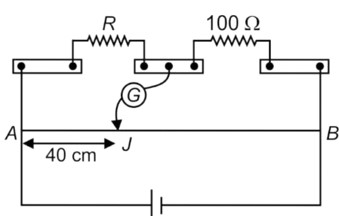
New answer posted
a year ago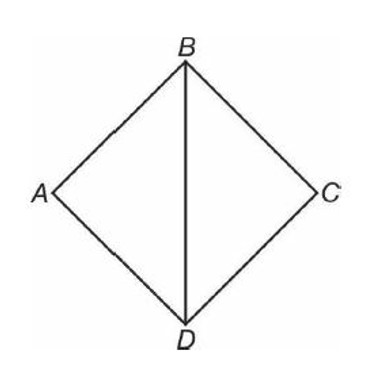
Contributor-Level 10
When wire is stretched uniformly
When this elongated wire is cut into 5 parts, resistance of each part
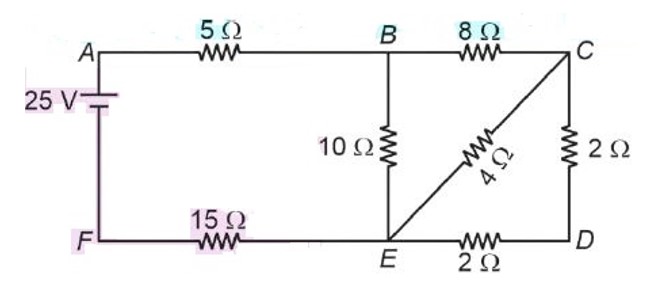
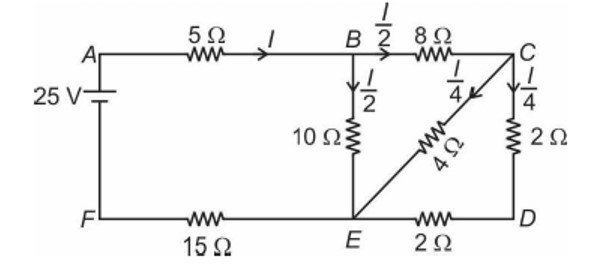
Effective resistance between A and C
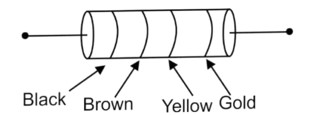
New answer posted
a year ago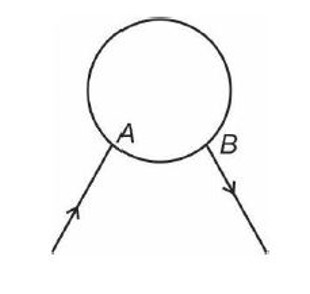
Contributor-Level 10
Resistance of whole wire is
Let length of the shorter section = a
Taking an Exam? Selecting a College?
Get authentic answers from experts, students and alumni that you won't find anywhere else
Sign Up on ShikshaOn Shiksha, get access to
- 67k Colleges
- 1.2k Exams
- 716k Reviews
- 1850k Answers