

Class 11th
Get insights from 8k questions on Class 11th, answered by students, alumni, and experts. You may also ask and answer any question you like about Class 11th
Follow Ask QuestionQuestions
Discussions
Active Users
Followers
New answer posted
a year agoContributor-Level 10
cos 20° cos 40° cos 80°
= (2 sin 20° cos 20° cos 40° cos 80°) / (2 sin 20°)
= (2 sin 40° cos 40° cos 80°) / (2² sin 20°)
= (2 sin 80° cos 80°) / (2³ sin 20°)
= 1/8
New answer posted
a year agoContributor-Level 10
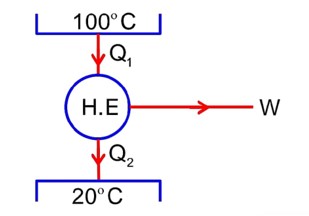
In isothermal process, temperature is constant.
In isochoric process, volume is constant.
In adiabatic process, there is no exchange of heat.
In isobaric process, pressure is constant.
New answer posted
a year agoContributor-Level 10
f (x) = x√ (1 – x²)
∴ 1 - x² ≥ 0
⇒ x ∈ [-1, 1]
Put x = cos θ
⇒ f (θ) = cos θ|sin θ|
If sin θ > 0, f (θ) = sin θ cos θ
= (sin 2θ)/2, f (θ) ∈ [-1/2, 1/2]
if sin θ < 0, f () = sin cos
= - (sin 2θ)/2, f (θ) ∈ [-1/2, 1/2]
New answer posted
a year agoContributor-Level 10
5 red, 3 yellow
There are 3 points in sample space either both are red or both are yellow or one is red other is yellow.
⇒ P (E) = (3.5+5.3) / (3.5+5.3+5.4+3.2) = 15/28
New answer posted
a year ago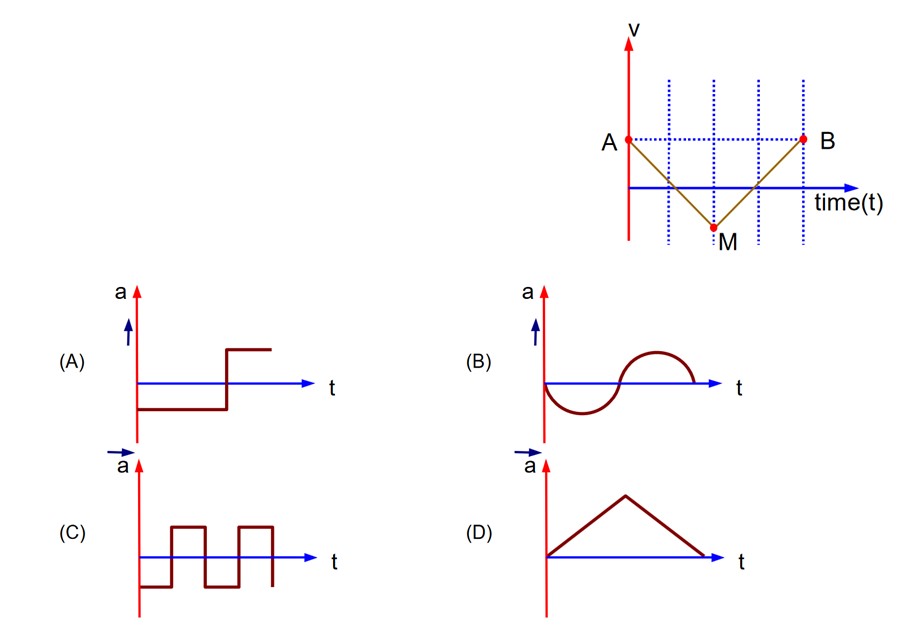
Contributor-Level 10
For part AM, slope of v – t graph is constant but negative. For part MB, slope of v – t graph is constant but positive.
Taking an Exam? Selecting a College?
Get authentic answers from experts, students and alumni that you won't find anywhere else
Sign Up on ShikshaOn Shiksha, get access to
- 67k Colleges
- 1.2k Exams
- 716k Reviews
- 1850k Answers