

Class 12th
Get insights from 12k questions on Class 12th, answered by students, alumni, and experts. You may also ask and answer any question you like about Class 12th
Follow Ask QuestionQuestions
Discussions
Active Users
Followers
New answer posted
a year agoContributor-Level 10
f' (x) = x (1+y)
dy/ (y+1) = xdx
ln (y+1) = x²/2 + c
(0,0)
c = 0
y+1 = e^ (x²/2) ⇒ e^ (x²/2) = 2
x²/2 = k = (ln2 > 0)
x = ±√2k
New answer posted
a year agoContributor-Level 10
f (x) = x? /20 - x? /12 + 5
f' (x) = x? /4 - x³/3 = x³ (x/4 - 1/3)
Local maxima at 0, Local minima at 4/3
f' (x) = x³ - x² = x² (x-1)
x = 1 point of inflection
New answer posted
a year agoContributor-Level 10
dy/√ (1-y²) = dx/x²
sin? ¹ (y) = -1/x + c ⇒ c = π/2
sin? ¹ (y) = -π/3 + π/2 = π/6
y = 1/2
New answer posted
a year ago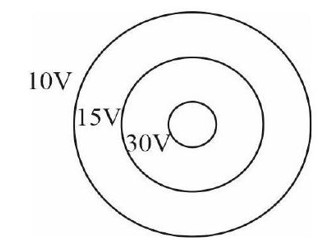
Contributor-Level 9
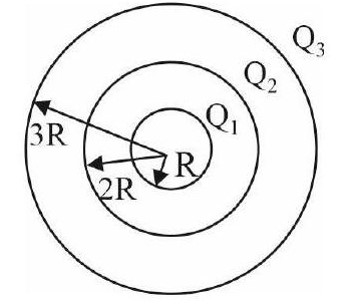
Eq. (1) (2)
Eq. (2) (3)
By (3)
Potential of innermost shell (earthed)
New answer posted
a year agoContributor-Level 10
DNA and RNA both are the types of nucleic acids.
DNA (Deoxyribonucleic acid) store the genetic information.
RNA (Ribonucleic acid) helps in protein synthesis. It carry and translates the genetic codes.
New answer posted
a year agoContributor-Level 10
f (x) = λ (x-2)²
⇒ 12 = λ (2)² ⇒ λ = 3
f (x) = 3 (x-2)² f (6) = 3 * 4² = 48
Taking an Exam? Selecting a College?
Get authentic answers from experts, students and alumni that you won't find anywhere else
Sign Up on ShikshaOn Shiksha, get access to
- 67k Colleges
- 1.2k Exams
- 716k Reviews
- 1850k Answers