

Class 12th
Get insights from 12k questions on Class 12th, answered by students, alumni, and experts. You may also ask and answer any question you like about Class 12th
Follow Ask QuestionQuestions
Discussions
Active Users
Followers
New answer posted
a year agoContributor-Level 9
Normal to plane is n= (-4i+5j+7k).
Plane: -4 (x-3)+5 (y-1)+7 (z-1)=0 ⇒ -4x+5y+7z=0.
Passes through (α, -3,5) ⇒ -4α-15+35=0 ⇒ α=5.
New answer posted
a year ago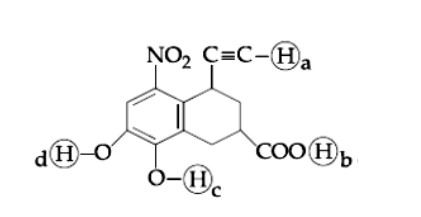
New answer posted
a year agoContributor-Level 9
A? A = I
⇒ a²+b²+c²=1 and ab+bc+ca=0
Now, (a+b+c)²=1 ⇒ a+b+c=±1
So, a³+b³+c³-3abc = (a+b+c) (a²+b²+c²-ab-bc-ca) = (±1) (1-0)=±1
⇒ 3abc = 2±1 = 3,1
⇒ abc = 1, 1/3
New answer posted
a year ago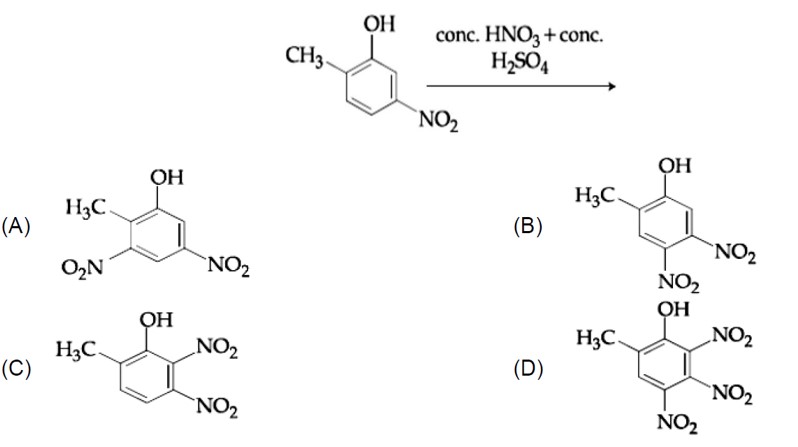
Contributor-Level 10
This is electrophilic substitution reaction which is determine by electronic effect of 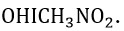
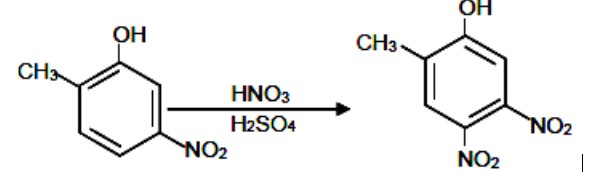
New answer posted
a year ago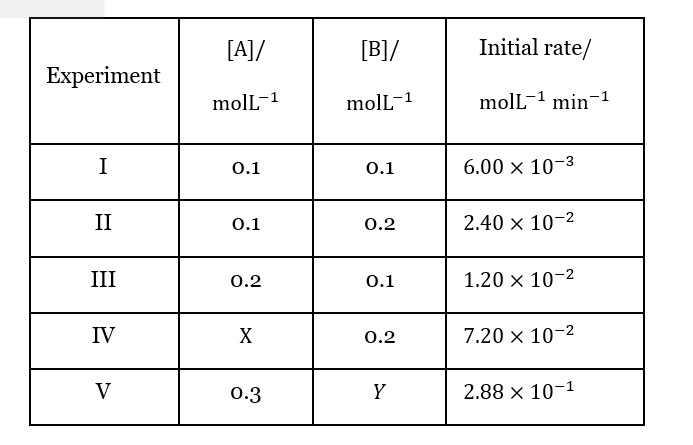
Contributor-Level 10
From I&II, rate∝ [B]². From I&III, rate∝ [A]¹.
From IV: 7.2e-2 = k (X) (0.2)². From II: 2.4e-2=k (0.1) (0.2)². X=0.3.
From V: 2.88e-1=k (0.3) (Y)². k=2.4e-2/ (0.1*0.04)=6.
2.88e-1 = 6 (0.3)Y². Y²=0.16. Y=0.4.
New answer posted
a year ago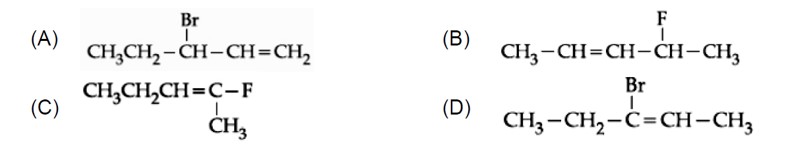
Contributor-Level 10
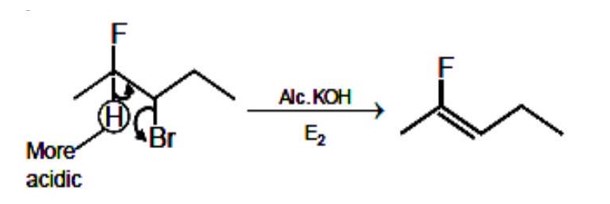
E2 elimination. Most acidic proton is removed. Fluorine is more electronegative.
New answer posted
a year ago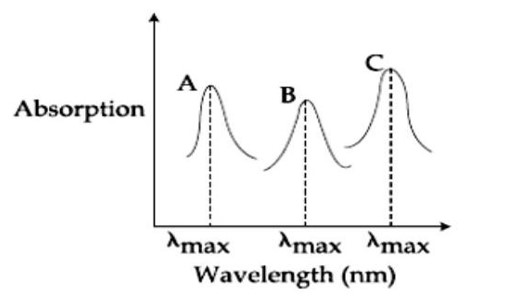
Contributor-Level 10
Ligand field strength: NH? > NCS? > F? Stronger ligand, higher Δ, lower λ_max.
So λ (NH? ) < (NCS? ) < (F? ). A= (F? ), B= (NCS? ), C= (NH? ). A-ii, B-i, C-iii.
New answer posted
a year ago
Contributor-Level 10
Seliwanoff's test distinguishes aldoses from ketoses. Sucrose hydrolyzes to glucose (aldose) and fructose (ketose). Fructose gives a red color.
Taking an Exam? Selecting a College?
Get authentic answers from experts, students and alumni that you won't find anywhere else
Sign Up on ShikshaOn Shiksha, get access to
- 67k Colleges
- 1.2k Exams
- 717k Reviews
- 1850k Answers