

Physics
Get insights from 5.6k questions on Physics, answered by students, alumni, and experts. You may also ask and answer any question you like about Physics
Follow Ask QuestionQuestions
Discussions
Active Users
Followers
New answer posted
a year ago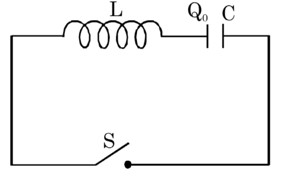
Contributor-Level 10
The time period of LC oscillations,
The time at which charge on the capacitor will be zero is
So t
New question posted
a year ago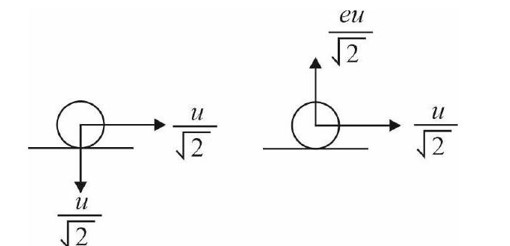
 . If the temperature of the calorimeter and its contents rises to
 New answer posted
a year ago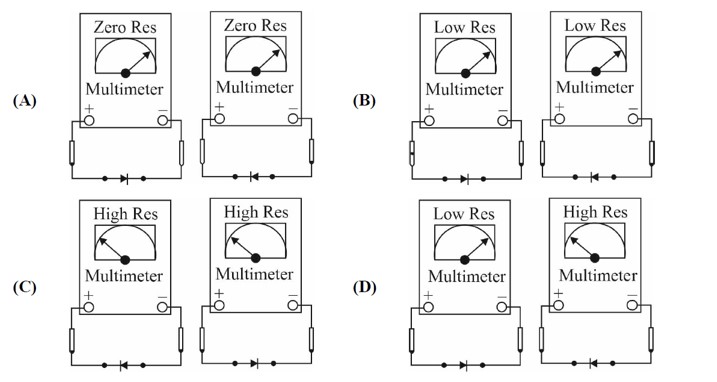
Contributor-Level 9
If the multimeter shows zero or low resistance reading for forward bias and does not change even on reversing the connection then the diode is defective. It is short.
If the diode shows a high resistance under both forward and reverse biased conditions, it is defective. It is open.
If the multimeter shows zero or low resistance reading for forward bias and shows high resistance reading on reversing the connection then the diode is not defective.
 . If the final pressures are equal for all three samples, the ratio of their initial pressures are: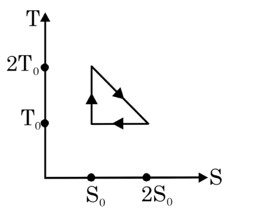
New answer posted
a year ago
Taking an Exam? Selecting a College?
Get authentic answers from experts, students and alumni that you won't find anywhere else
Sign Up on ShikshaOn Shiksha, get access to
- 67k Colleges
- 1.2k Exams
- 718k Reviews
- 1850k Answers