Aldehydes, Ketones and Carboxylic Acids

Get insights from 184 questions on Aldehydes, Ketones and Carboxylic Acids, answered by students, alumni, and experts. You may also ask and answer any question you like about Aldehydes, Ketones and Carboxylic Acids

  • 184

    Questions

  • 0

    Discussions

  • 0

    Active Users

  • 0

    Followers

Have a question about Aldehydes, Ketones and Carboxylic Acids? Ask our experts

Ask Your Question

Keep it short & simple. Type complete word. Avoid abusive language.

New answer posted•a year ago
A
a year ago

Boiling points of aldehydes are higher than hydrocarbons. It is due to weak molecular association.

Thumbs Up IconUpvote Thumbs Down Icon
New answer posted•a year ago
A
a year ago

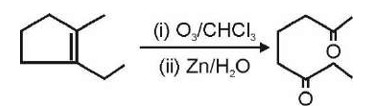
Kindly go through the solution 

Thumbs Up IconUpvote Thumbs Down Icon
New answer posted•a year ago
A
a year ago

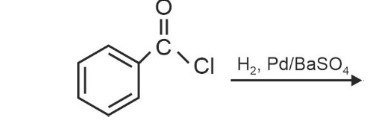
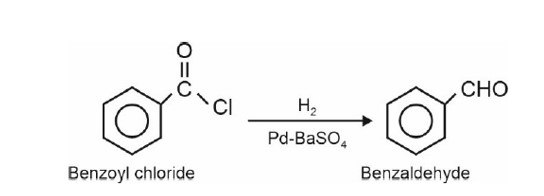
Acyl chloride is hydrogenated over catalyst, palladium or barium sulphate. This reaction is called Rosenmund reaction.


Thumbs Up IconUpvote Thumbs Down Icon
New answer posted•a year ago
A
a year ago
Kindly go through the solution


Thumbs Up IconUpvote Thumbs Down Icon
New answer posted•a year ago
A
a year ago

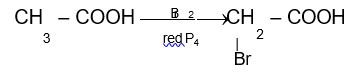
Kindly go through the solution

HVZ reaction:


Thumbs Up IconUpvote Thumbs Down Icon
New answer posted•a year ago
A
a year ago

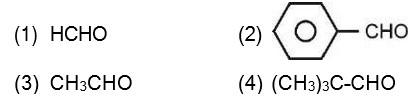
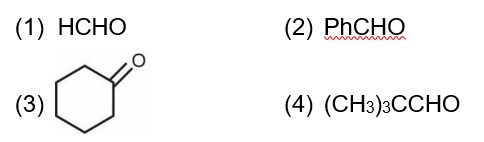
Cannizzaro reaction is shown by aldehydes containing no a–H atoms

Thumbs Up IconUpvote Thumbs Down Icon
New answer posted•a year ago
A
a year ago

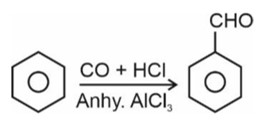
The given reaction is Gattemann Koch reaction.

Thumbs Up IconUpvote Thumbs Down Icon
New answer posted•a year ago
A
a year ago
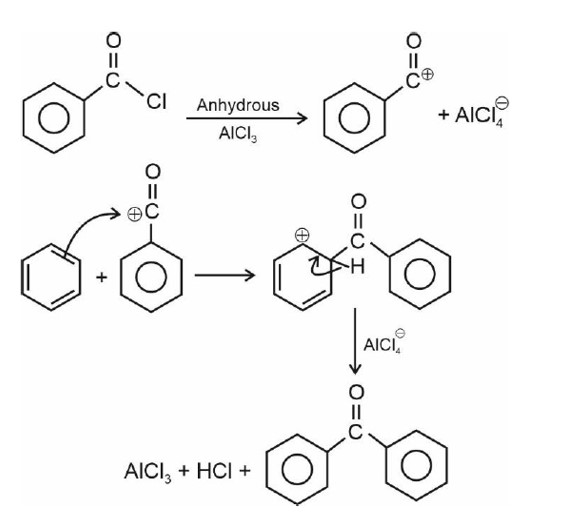
Kindly go through the image


Thumbs Up IconUpvote Thumbs Down Icon
New answer posted•a year ago
A
a year ago

The carbonyl compounds which contain at least two a-hydrogen will give aldol condensation.

Thumbs Up IconUpvote Thumbs Down Icon