
Haloalkanes and Haloarenes
Get insights from 278 questions on Haloalkanes and Haloarenes, answered by students, alumni, and experts. You may also ask and answer any question you like about Haloalkanes and Haloarenes
- 278
Questions
- 0
Discussions
- 0
Active Users
- 0
Followers
Have a question about Haloalkanes and Haloarenes? Ask our experts
Keep it short & simple. Type complete word. Avoid abusive language.
In the estimation of bromine, 0.5g of an organic compound gave 0.40g of silver bromide. The percentage of bromine in the given compound is____________% (Nearest integer)
(Relative atomic masses of Ag and Br are 18 u and 80 u, respectively).
In the estimation of bromine, 0.5g of an organic compound gave 0.40g of silver bromide. The percentage of bromine in the given compound is____________% (Nearest integer)
(Relative atomic masses of Ag and Br are 18 u and 80 u, respectively).
Organic compound → AgBr (s)
0.5 g 0.40 g
Here; Moles of Br in organic compound = Moles of Br in Ag Br
= Moles of AgBr
=
Mass of Br in organic compound =
 Upvote

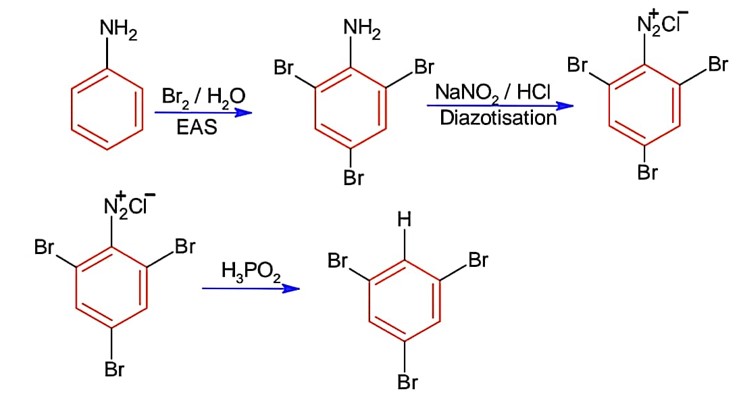
Identify the major product formed in the following sequence of reactions
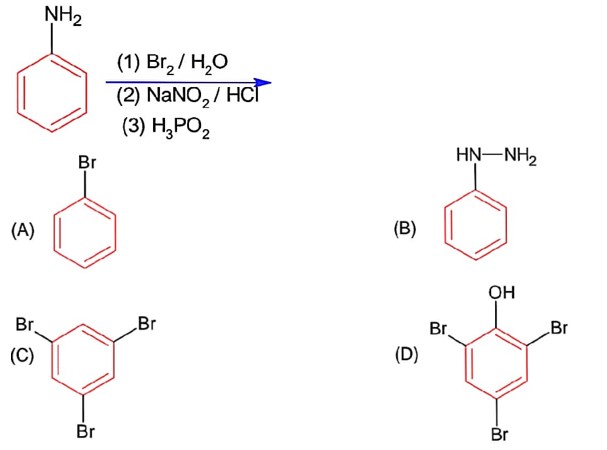
Identify the major product formed in the following sequence of reactions
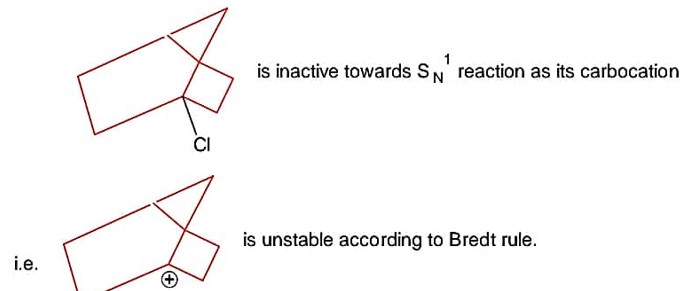
Which one of the following compounds in inactive towards SN1 reaction?
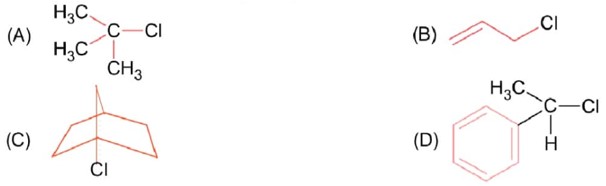
Which one of the following compounds in inactive towards SN1 reaction?
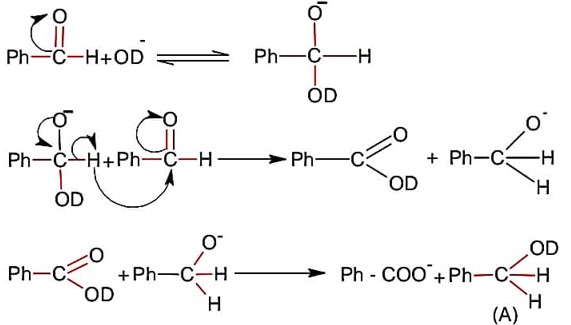
The correct structure of product ‘A’ formed in the following reaction,
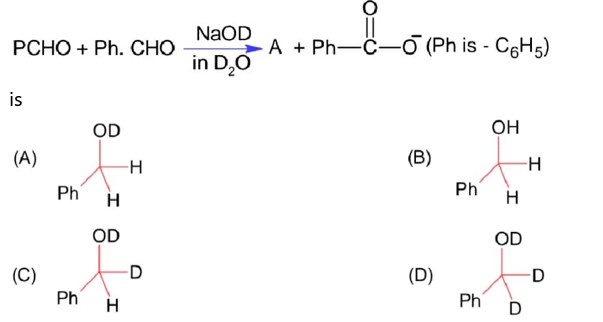
The correct structure of product ‘A’ formed in the following reaction,
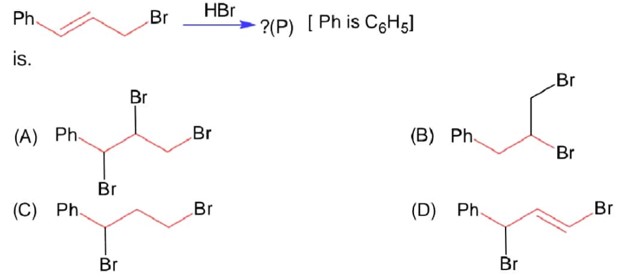
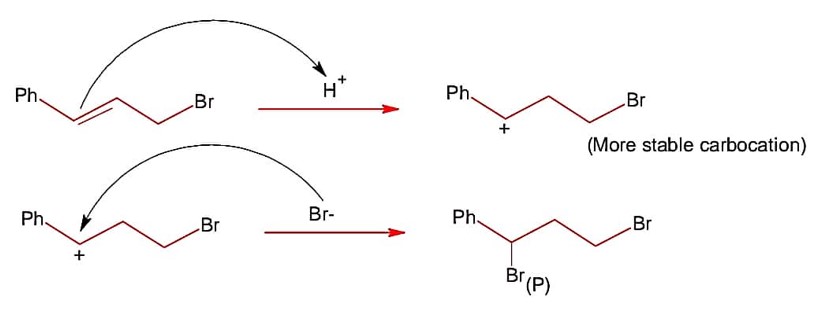
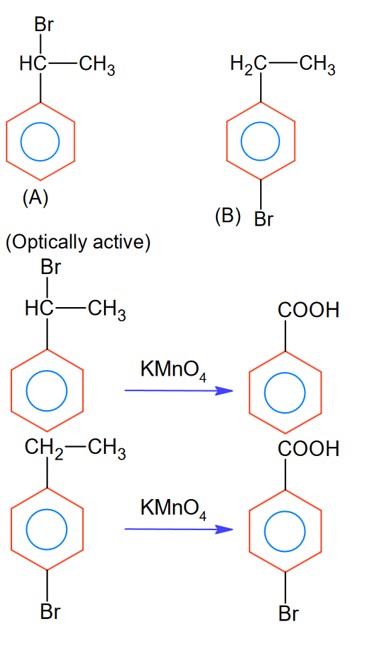
Two isomers (A) and (B) with molar mass 184 g/mol and elemental composition C, 52.2%; H. 4.9% and Br 42.9% gave benzoic acid and p-bromobenzoic acid respectively on oxidation with KMnO4. Isomer ‘A’ is optically active and gives a pale yellow precipitate when warmed with alcoholic AgNO3. Isomer ‘A’ and ‘B’ are respectively
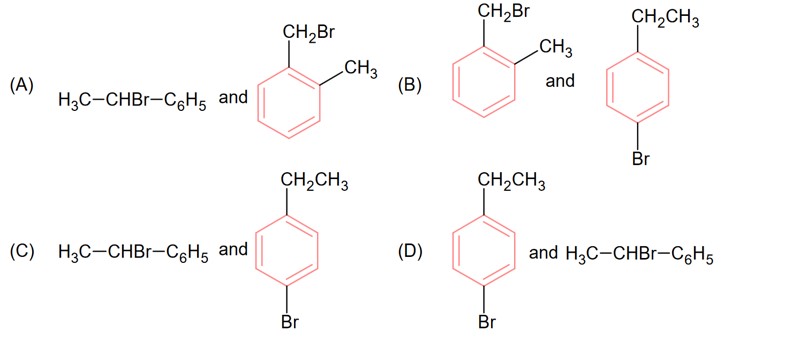
Two isomers (A) and (B) with molar mass 184 g/mol and elemental composition C, 52.2%; H. 4.9% and Br 42.9% gave benzoic acid and p-bromobenzoic acid respectively on oxidation with KMnO4. Isomer ‘A’ is optically active and gives a pale yellow precipitate when warmed with alcoholic AgNO3. Isomer ‘A’ and ‘B’ are respectively
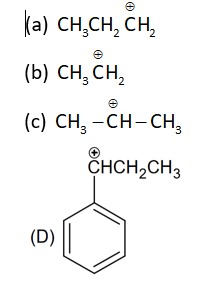
With AlCl3, alkyl halide will form cabocation which will show rearrangement.
Upvote 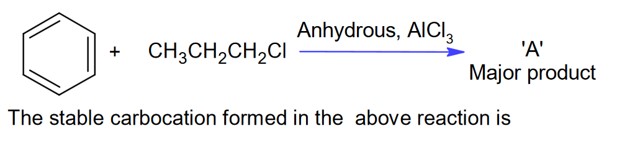

Hydrogenation of the above compound in the presence of poisoned palladium catalyst gives
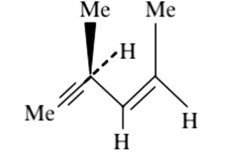
Hydrogenation of the above compound in the presence of poisoned palladium catalyst gives
Addition on triple bond takes place by the addition of hydrogen
Upvote What would be the major products of the following reaction?
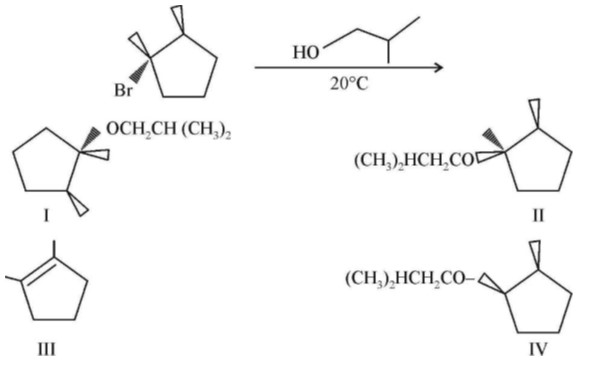
What would be the major products of the following reaction?
Kindly consider the following figure
Upvote