Haloalkanes and Haloarenes
Get insights from 278 questions on Haloalkanes and Haloarenes, answered by students, alumni, and experts. You may also ask and answer any question you like about Haloalkanes and Haloarenes
- 278
Questions
- 0
Discussions
- 0
Active Users
- 0
Followers
Have a question about Haloalkanes and Haloarenes? Ask our experts
Keep it short & simple. Type complete word. Avoid abusive language.
Photodiode in reverse bias mode is used as intensity measuring device.
 Upvote

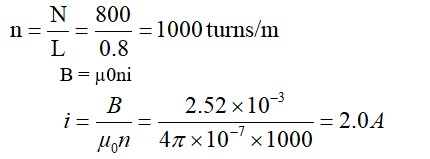
A 0.8 m long solenoid has 800 turns and has a field density of 2.52 × 10⁻³ T at its centre. What is current in the wire?
A 0.8 m long solenoid has 800 turns and has a field density of 2.52 × 10⁻³ T at its centre. What is current in the wire?
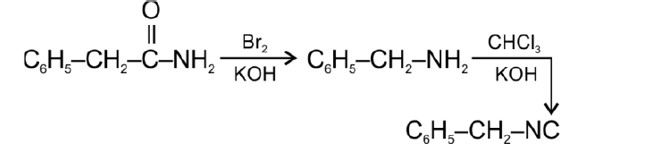
Consider the following reaction sequence
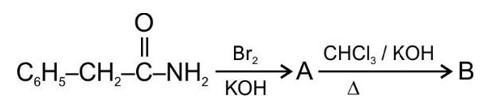
Product B is
Consider the following reaction sequence
Product B is
Major product of the given reaction is
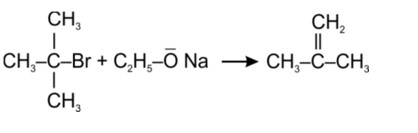
(CH3)3CBr + CH3–CH2–ONa → product
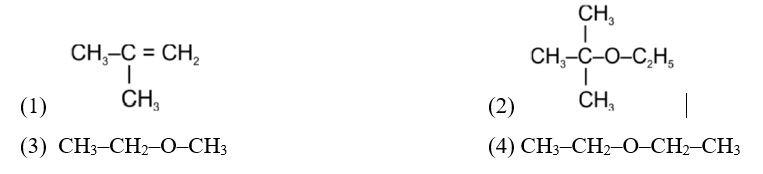
Major product of the given reaction is
(CH3)3CBr + CH3–CH2–ONa → product
Tertiary haloalkane does not undergo SN2 reaction
Upvote Chloroform on reaction with O2 in presence of light gives
Chloroform on reaction with O2 in presence of light gives

Compound which will undergo fastest nucleophilic substitution reaction among the following is
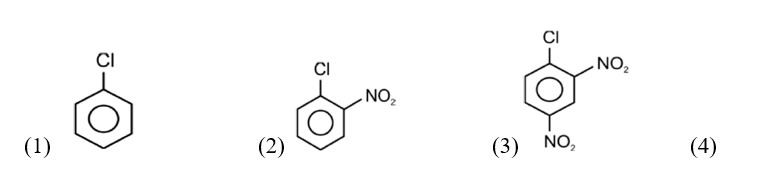
Compound which will undergo fastest nucleophilic substitution reaction among the following is
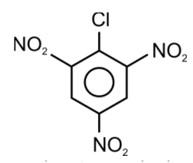
Upvote The compound which will react fastest by SN2 mechanism is

The compound which will react fastest by SN2 mechanism is
Ph—CH2-Br will react the fastest by SN2 mechanism.
Upvote
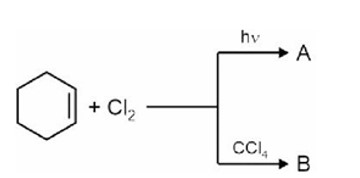
In the following reactions, find the product A and B?
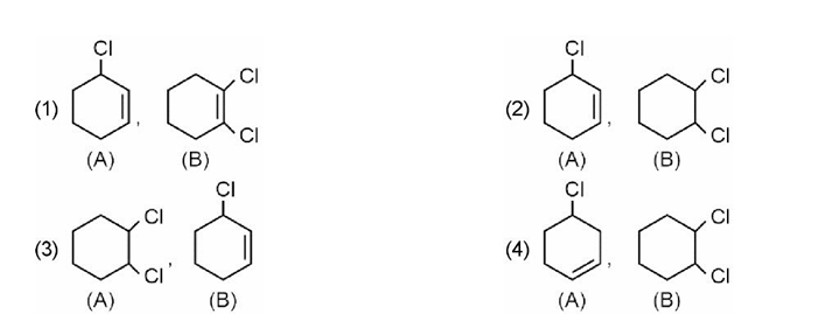
In the following reactions, find the product A and B?
In presence of light allylic substitution occur.
In presence of CCl4, addition reaction will occur.
Upvote 
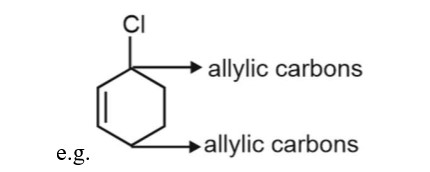
The carbon next to an alkene is known as allylic carbon and halogen attached to allylic carbon is known as allylic halogen.
Upvote