

Chemistry
Get insights from 6.9k questions on Chemistry, answered by students, alumni, and experts. You may also ask and answer any question you like about Chemistry
Follow Ask QuestionQuestions
Discussions
Active Users
Followers
New answer posted
a year agoContributor-Level 10
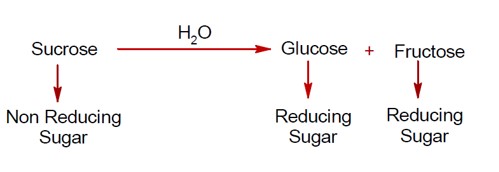
Inversion of Sucrose:
C? H? O? (Sucrose) + H? O - (Invertase)-> C? H? O? (Glucose) + C? H? O? (Fructose)
Fermentation of Glucose:
C? H? O? (Glucose) - (Zymase)-> 2C? H? OH (Ethanol) + 2CO?
New answer posted
a year agoContributor-Level 10
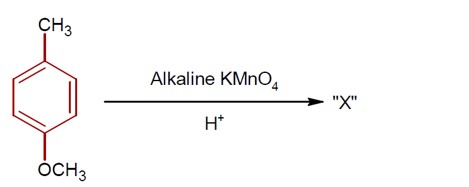
KMnO? oxidizes alkanes that contain a tertiary hydrogen (3°H) to form tertiary alcohols.
n-alkanes, which do not contain tertiary hydrogens, are not oxidized by KMnO? under these conditions.
New answer posted
a year agoContributor-Level 10
Co (NH? )? ] [Cr (CN)? ]: Co-ordination isomerism
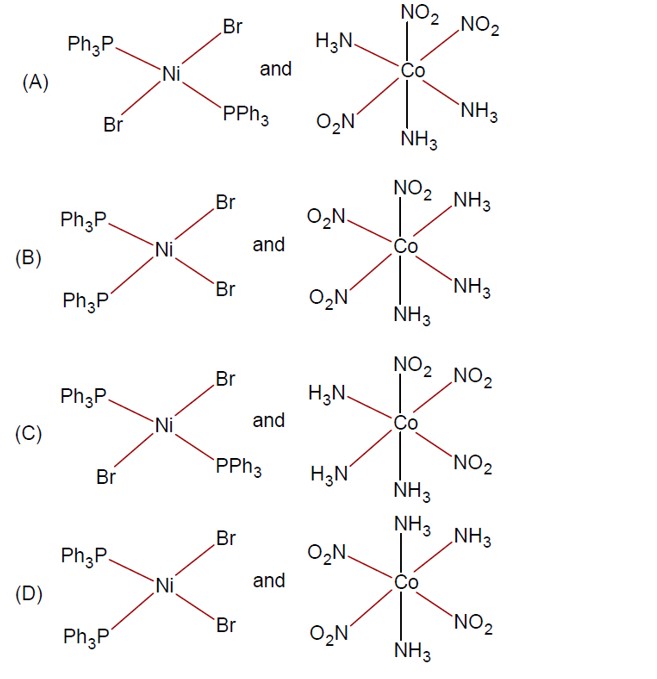
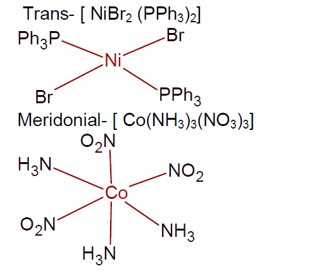
[Co (NH? )? (NO? )? ]: Linkage isomerism
[Cr (H? O)? ]Cl? : Solvate isomerism
Cis- [CrCl? (Ox)? ]³? : Optical isomerism
New answer posted
a year agoContributor-Level 10
The change in entropy for the following processes is negative (ΔS = -ve), indicating an increase in order:
Water (l) → Ice (s) at 0°C
H? O (l) → Ice (s) at -10°C
N? (g) + 3H? (g) → 2NH? (g)
Adsorption
New answer posted
a year ago

Contributor-Level 10
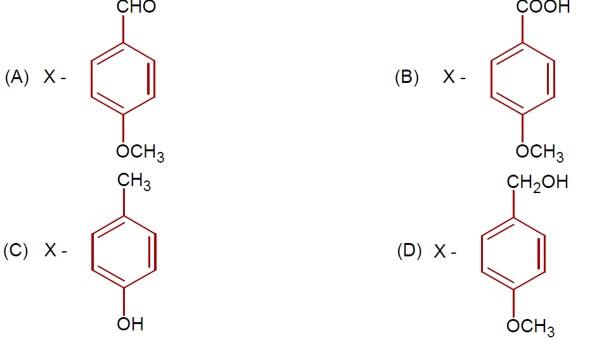
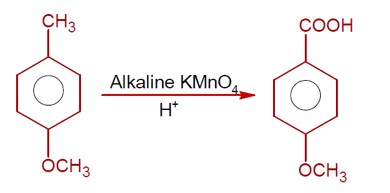
The reaction shown is:
Anisole diazonium chloride (A) + Ethanol → Anisole + Acetaldehyde (X) + HCl + N? (Y)
New answer posted
a year agoContributor-Level 10
The reactions in the Solvay process are:
NaCl + H? O + NH? + CO? → NH? Cl + NaHCO?
2NaHCO? → Na? CO? + CO? + H? O
2NH? Cl + Ca (OH)? → CaCl? + 2NH? + H? O
CaCl? is a byproduct of the process.
Taking an Exam? Selecting a College?
Get authentic answers from experts, students and alumni that you won't find anywhere else
Sign Up on ShikshaOn Shiksha, get access to
- 67k Colleges
- 1.2k Exams
- 716k Reviews
- 1850k Answers