

Chemistry
Get insights from 6.9k questions on Chemistry, answered by students, alumni, and experts. You may also ask and answer any question you like about Chemistry
Follow Ask QuestionQuestions
Discussions
Active Users
Followers
New answer posted
a year agoContributor-Level 9
Phosphorous Trichloride + Phosphorous acid
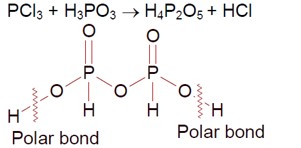
O-H bond is polar, so the number of ionisable hydrogens are 2.
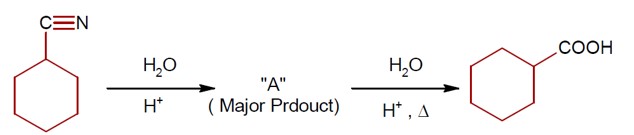
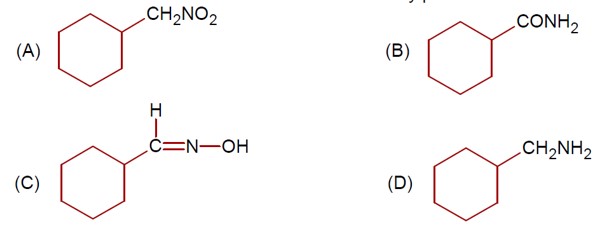
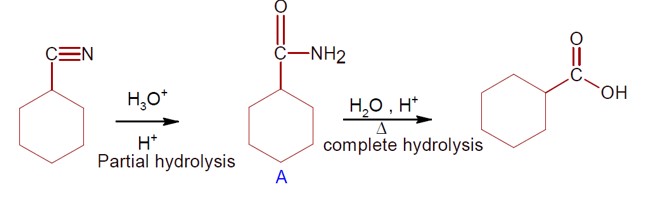
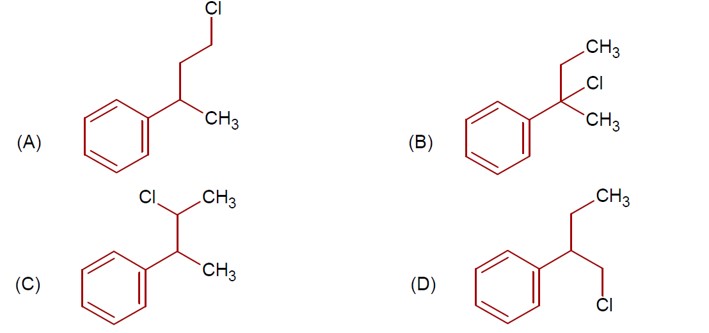
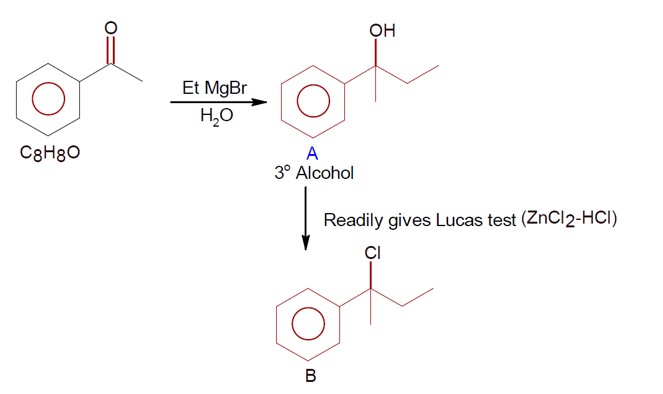
New answer posted
a year agoContributor-Level 9
o Let the number of atoms of element A be N.
o Tetrahedral voids = 2N.
o Atoms of element M = (2/3) * 2N = 4/3 N.
o The ratio M : A is (4/3 N) : N, which simplifies to 4:3.
o So, the formula of the compound is M? A?
New answer posted
a year ago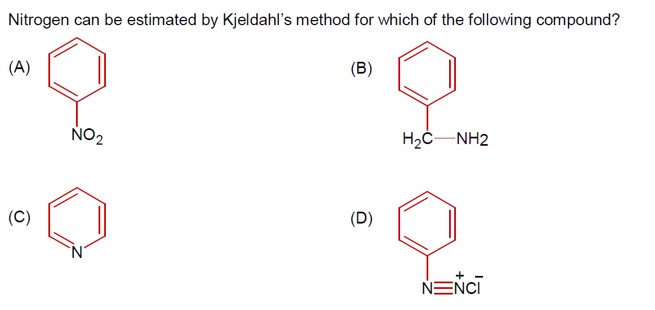
Contributor-Level 10
The Kjeldahl method is not applicable for nitrogen estimation in:
Compounds containing nitrogen in a nitro group.
Compounds containing an Azo group.
Pyridine.
New question posted
a year agoNew answer posted
a year ago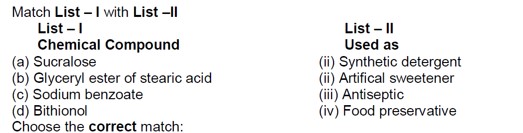
Contributor-Level 10
Sucralose: Artificial sweetener
Glyceryl ester of stearic acid: The document incorrectly identifies this as "Sodium stearate which is synthetic detergent". Sodium stearate is a soap, not a synthetic detergent.
Sodium benzoate: Food preservative
Bithionol: Antiseptic
New answer posted
a year agoContributor-Level 10
Linear: N? (azide ion)
Bent-shape: O? (ozone), NO? (nitrite ion), Cl? O (dichlorine monoxide)
New answer posted
a year agoContributor-Level 10
1° amine: Forms a precipitate that is soluble in NaOH.
2° amine: Forms a precipitate that is insoluble in NaOH.
3° amine: No reaction.
Taking an Exam? Selecting a College?
Get authentic answers from experts, students and alumni that you won't find anywhere else
Sign Up on ShikshaOn Shiksha, get access to
- 67k Colleges
- 1.2k Exams
- 716k Reviews
- 1850k Answers