Chemistry

Get insights from 6.9k questions on Chemistry, answered by students, alumni, and experts. You may also ask and answer any question you like about Chemistry

Follow Ask Question
6.9k

Questions

0

Discussions

30

Active Users

0

Followers

New answer posted

10 months ago

0 Follower 72 Views

V
Vishal Baghel

Contributor-Level 10

-NO? will repel ⊕, -CH? will attract ⊕.

New answer posted

10 months ago

0 Follower 6 Views

A
Aadit Singh Uppal

Contributor-Level 10

Terminal alkynes and Non Terminal Alkynes are both variants of alkynes, but the difference lies in the position of the triple carbon bond. Terminal Alkynes have the triple carbon bond at the end of the chain, such as ethyne and propyne. On the other hand, Non Terminal Alkynes have their triple carbon bond in the middle of the chain. Example: 2-Butyene.

New answer posted

10 months ago

0 Follower 5 Views

V
Vishal Baghel

Contributor-Level 10

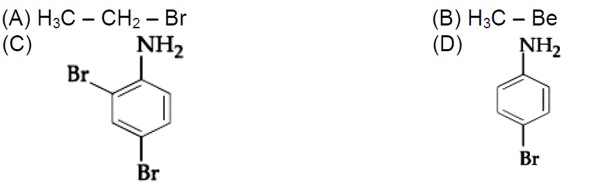
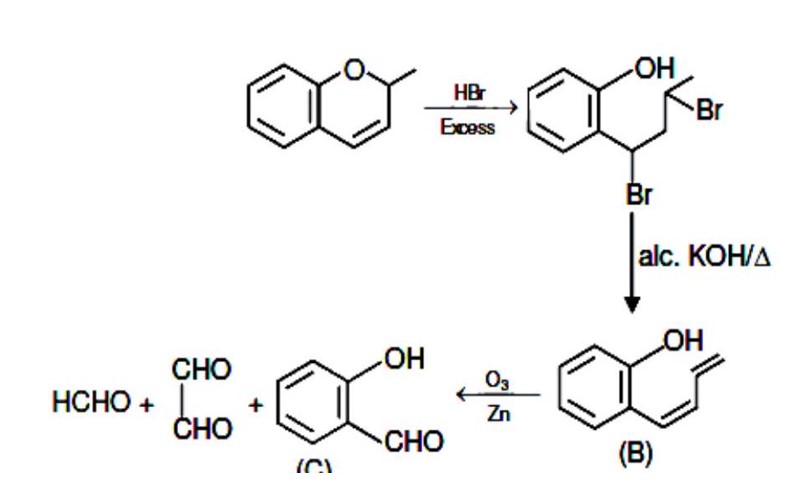
Kindly consider the following figure

New answer posted

10 months ago

0 Follower 2 Views

V
Vishal Baghel

Contributor-Level 10

Solubility of sulphate decreases down.

New answer posted

10 months ago

0 Follower 2 Views

V
Vishal Baghel

Contributor-Level 10

Most acidic has the highest pOH.

New answer posted

10 months ago

0 Follower 3 Views

V
Vishal Baghel

Contributor-Level 10

Fact based    

New answer posted

10 months ago

0 Follower 7 Views

V
Vishal Baghel

Contributor-Level 10

Let total mole = 1

New answer posted

10 months ago

0 Follower 2 Views

V
Vishal Baghel

Contributor-Level 10

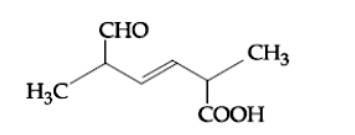
Kindly consider the following figure

New answer posted

10 months ago

0 Follower 323 Views

V
Vishal Baghel

Contributor-Level 10

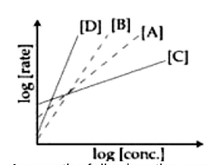
Kindly consider the following figure

New answer posted

10 months ago

0 Follower 4 Views

A
Aadit Singh Uppal

Contributor-Level 10

According to this rule, when a hydrogen halide (HX) or water is added to an asymmetrical alkene, the hydrogen atom (H) gets attached to the carbon atom of the double bond which has more hydrogen atoms, and the halide (X) or OH group attaches to the carbon atom which has fewer hydrogen atoms.

Get authentic answers from experts, students and alumni that you won't find anywhere else

Sign Up on Shiksha

On Shiksha, get access to

  • 66k Colleges
  • 1.2k Exams
  • 702k Reviews
  • 1850k Answers

Share Your College Life Experience

×
×

This website uses Cookies and related technologies for the site to function correctly and securely, improve & personalise your browsing experience, analyse traffic, and support our marketing efforts and serve the Core Purpose. By continuing to browse the site, you agree to Privacy Policy and Cookie Policy.