

Chemistry
Get insights from 6.9k questions on Chemistry, answered by students, alumni, and experts. You may also ask and answer any question you like about Chemistry
Follow Ask QuestionQuestions
Discussions
Active Users
Followers
New answer posted
a year ago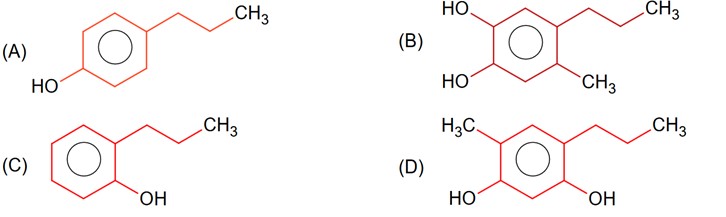
Contributor-Level 10
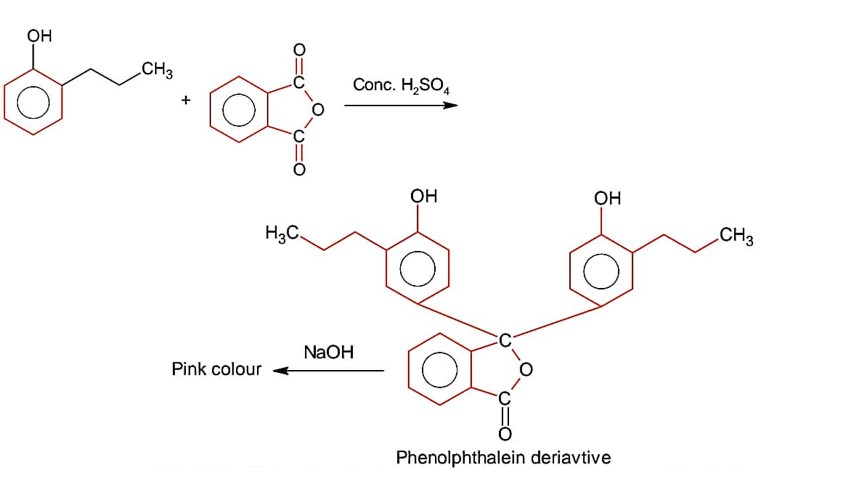
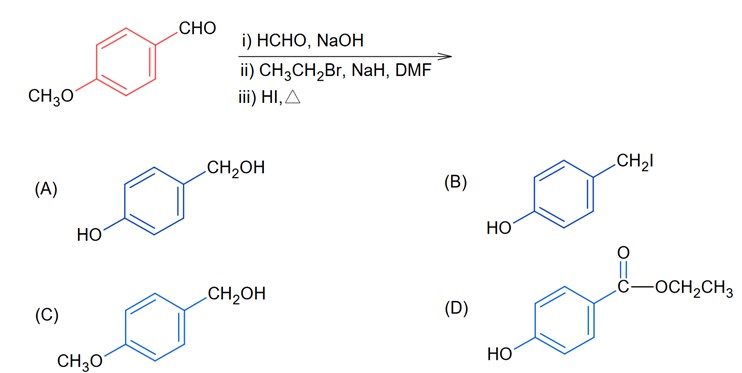
First reaction is EAS which will be given by that phenol derivative whose p-position is free for EAS reaction.
New answer posted
a year agoContributor-Level 10
It does not contains 2nd most abundant element by weight in earth crust because that is Si Calgon ->Na2 [Na4 (PO3)6]
New answer posted
a year agoContributor-Level 10
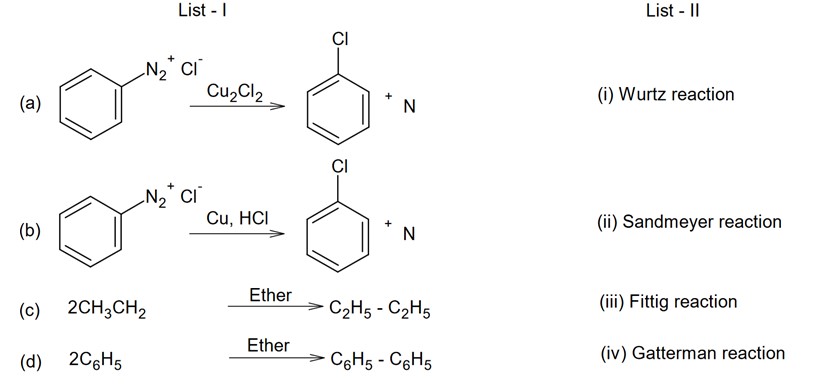
Ceric ammonium nitrate is used to test alcohol while CHCl3/alc. KOH is used to test 1° amine
New answer posted
a year agoContributor-Level 10
In both reactions H2O2 act as reducing agent
In reaction (A) HOCl – O.A
H2O2 – R.A
In reaction (B) I2 – O.A
H2O2 – R.A
New answer posted
a year agoThe nature of charge on resulting colloidal particles when FeCl3 is added to excess of hot water is:
New answer posted
a year agoContributor-Level 10
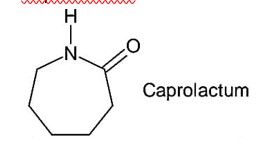
Caprolactum is monomer of nylon-6
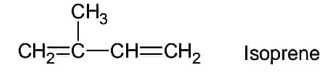
Isoprene is polymer of natural rubber
2 – chloro-1,3-butadiene or chloroprene is the polymer of neoprene which is a synthetic rubber

Acrylonitrite is one of the monomer of Buna-N
Acrylonitrile
Taking an Exam? Selecting a College?
Get authentic answers from experts, students and alumni that you won't find anywhere else
Sign Up on ShikshaOn Shiksha, get access to
- 67k Colleges
- 1.2k Exams
- 716k Reviews
- 1850k Answers