IIT Madras researchers develop method to restore old, damaged photos to new


Researchers discovered that looking at the degraded portions as well as cleansing the image was nearly impossible for a single neural network, so they decided to separate the tasks into two different stages.
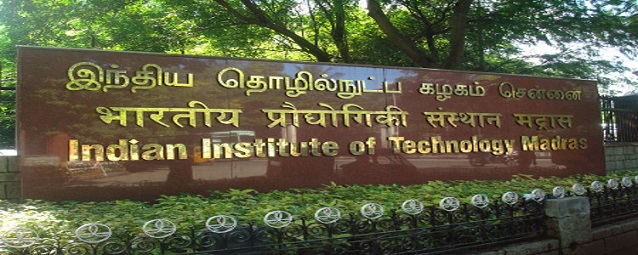
A team of researchers from the Indian Institute of Technology (IIT) Madras have harnessed the power of artificial neural networks to restore CCTV images that have been degraded due to weather conditions, beyond recognition.
Published first in the journal IEEE, the technology is the brainchild of Dr A.N. Rajagopalan, holder of the Sterlite Technologies Chair Professor position in the Department of Electrical Engineering at IIT Madras and was assisted by Maitreya Suin and Kuldeep Purohit from IIT Madras. Rajgopalan's Image Processing and Computer Vision Laboratory at the aforementioned institution is harnessing the power of artificial neural networks to bring these degraded images back to life. The new method at play can be utilised to clean images affected by rain-streaks, raindrops, haze and motion blur.

Researchers discovered that looking at the degraded portions as well as cleansing the image was nearly impossible for a single neural network, so they decided to separate the tasks into two different stages.
In the primary stage, one neural network was trained to localise the degraded part whereas in the second stage, the neural network uses this very information to restore the image. Dr Rajagopalan explains, “Bad weather in the form of rain and haze causes significant loss of image quality.
The presence of raindrops on camera lenses is a related problem that poses its own set of challenges. These effects not only impact human visibility but can also adversely affect the performance of computer vision systems meant for autonomous driving, drone imaging, and surveillance, to name a few.
These degradations have high spatial variability due to non-uniform depth variations in the haze, drop sizes and their locations in raindrops, and rain streak directions and locations.” For the neural networks, the team made use of publicly available datasets of rain streak, haze, raindrop and motion blur to test their model.
Read More:
Follow Shiksha.com for latest education news in detail on Exam Results, Dates, Admit Cards, & Schedules, Colleges & Universities news related to Admissions & Courses, Board exams, Scholarships, Careers, Education Events, New education policies & Regulations.
To get in touch with Shiksha news team, please write to us at news@shiksha.com

She has over 10 years of experience in the education and publishing sectors. She specialises in exam coverage and content creation. At Shiksha, she writes, analyses, and presents information for students preparing f
Read Full Bio