IIT Kharagpur researchers develop essential oil extraction technology to economize betal leaf production


The extractor is capable of saving 44 per cent of the time and 30 per cent of the energy requirement while increasing the oil yield by more than 16 per cent, as compared to the current process and apparatus popularly used.
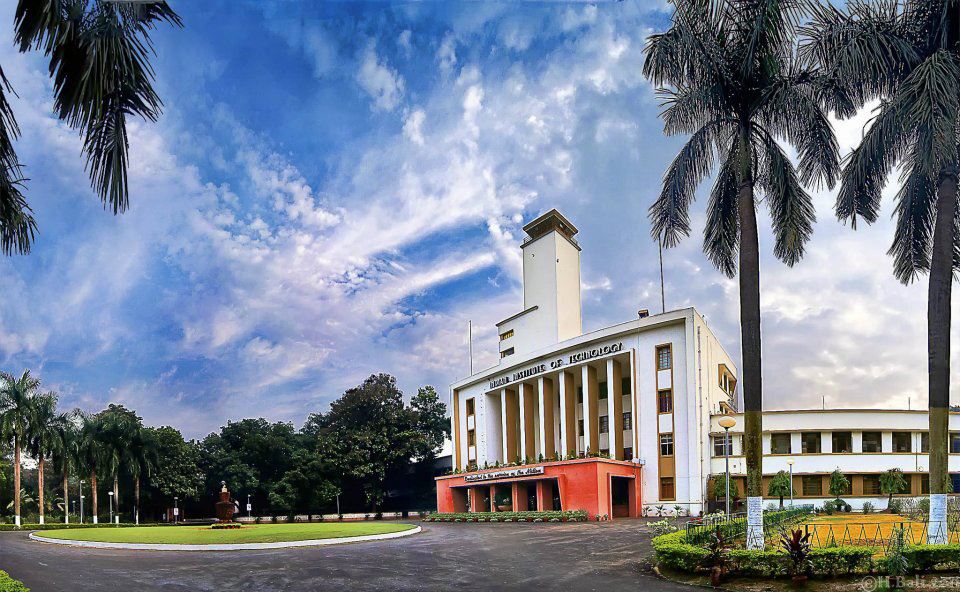
A team of researchers at the Indian Institute of Technology (IIT) Kharagpur have come up with a novel betel leaf oil extraction technology to boost the profitability of betel leaf farmers. Extraction of this essential oil from fresh and cured betel leaves is of high interest for industrial applications including medicines, cosmetics chewable mouth fresher which has a very large market in the world. However, the extraction processes suffer from low economic viability and wastage in the value chain of betel leaves.
Prof. Proshanta Guha and his research group from IIT Kharagpur’s Agricultural and Food Engineering Department have addressed this challenge by developing a novel betel leaf oil extraction technology that can improve the overall process efficiency. The extractor is capable of saving 44 per cent of the time and 30 per cent of the energy requirement while increasing the oil yield by more than 16 per cent, as compared to the current process and apparatus popularly used.

Describing the equipment, Prof. Guha said: “It is a distillation unit with special modifications for recycling evaporated water which carries the vapors of essential oil from the distillation flask to the condensation unit. It has also a special device to minimize the formation of emulsion for increasing the recovery of essential oil.”
The extractor was envisaged to be affordable to the betel leaf growers since the cost of fabrication of the extractor was calculated to be Rs 10,000 and Rs 20,000 for 10L and 20L sizes, respectively. “This could be easily maintained by the small farmers and would also be sufficient for the processing of surplus leaves in any average-sized Boroj (~0.02 ha) on a daily or weekly basis. About 10-20 ml of essential oil can be extracted by one person a day using an extractor in three shifts. The price of the oil varies from Rs 30,000 to about Rs 1,00,000 depending upon the quality of the oil, Mitha variety being costlier than the other varieties,” Prof. Guha remarked.
For large rural installations, the researchers have tried to improve the efficiency further by insulating the heat-radiating portions of the apparatus with cheap insulators. Use of fuel requirement can also be reduced substantially if the byproduct i.e. de-oiled exhausted leaves are used as fuel. They have developed Microwave heating-based equipment as well to improve the efficiency of the extraction process and to increase the yield of essential oil. In this attempt, the extraction process was completed within about 50 minutes. Thus, there was a saving of time and energy by about 76 per cent and 43 per cent respectively.
India produces betel leaves worth Rs 9000 million per year grossing as the largest producer of betel leaf in the world. However, achieving profitability remains a crucial challenge as a minimum of 10 per cent of the produce is wasted every year and a large portion remains unsold or sold at throwaway prices during the glut season. This extractor equipment is expected to check such wastage and channel the surplus for various industrial products. The equipment can extract essential oil from other organic materials as well, confirmed Prof. Guha. It has been patented and transferred to more than 20 government and private bodies and more are underway.
Read More:
Follow Shiksha.com for latest education news in detail on Exam Results, Dates, Admit Cards, & Schedules, Colleges & Universities news related to Admissions & Courses, Board exams, Scholarships, Careers, Education Events, New education policies & Regulations.
To get in touch with Shiksha news team, please write to us at news@shiksha.com

She has over 10 years of experience in the education and publishing sectors. She specialises in exam coverage and content creation. At Shiksha, she writes, analyses, and presents information for students preparing f
Read Full Bio