Study smart for your best GMAT score


How can you best prepare for the GMAT exam? The answer to that is as simple and straightforward as it is unique to you. There are no magic formulas, tricks, or “one size fits all” answers—just planning, preparation, and devoting sufficient time to becoming familiar with the exam.
We can’t tell you how much time you should spend studying for the GMAT exam, but we can tell you how much time other people have spent preparing to take the exam. Using data collected last year from more than 8,000 GMAT test takers, we can see that 49 per cent of test takers spend at least 51 hours prepping for the exam, and those who do better on the GMAT tend to spend more time studying for it.
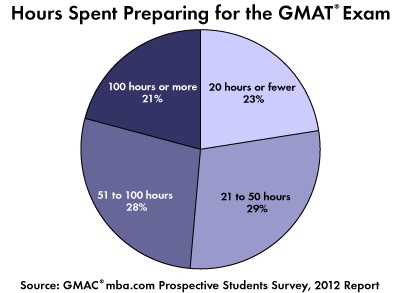
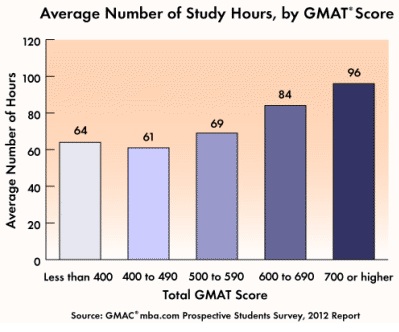
But don’t let those charts fool you—there is no cause-and-effect process at work here. Studying 84 hours does not guarantee that you will score in the 600 range. (And be aware that the data presented here is all self-reported—each test taker may be estimating his or her actual study time.)

So, while we can’t tell you the optimal number of hours you need to study to achieve a high GMAT score, we do suggest you use the data in an advisory capacity. The goal is to determine the number of hours you need to prepare so that the results of the exam reflect your ability and not your knowledge or lack of knowledge about the test. Here are some suggestions:
- Gather information about your target programs
Identify the schools you want to apply to and check their application deadlines.
Explore GMAT’s website for specific information on schools and programs, the GMAT exam, and available prep material.
- Register for the GMAT exam and develop a study plan
Keeping in mind application deadlines, register for the exam. Don’t forget to give yourself enough time to retake the exam if things don’t go to plan.
Understand that the further in advance you register, the greater your choice of available dates to take the exam will be.
Develop a study plan that lists not just when, but also what you’ll study.
- Familiarise yourself with the test structure, format, and types of questions you will face
If you will be taking the exam any time after June 5, 2012, it will include a new section called Integrated Reasoning. The GMAC website has more information, sample questions, and videos about the new test section.
You can download free GMATPrep software with 90 free questions (including 15 Integrated Reasoning questions) and two full-length practice tests.
The new and free GMAT Handbook is the updated version of the former GMAT Information Bulletin, which tells you everything you need to know before sitting for the exam.
- Establish a baseline
The GMATPrep® software contains two practice exams; take one to identify the skills you most need to study. Remember to replicate actual test conditions during your practice exams: Don’t use a calculator or study materials, pace yourself, and try to complete all questions within the allotted time.
- Start studying
Study for the GMAT exam until you are comfortable with the test question formats, timing, and pace.
Review your progress and plan strategies to improve your weak areas—the mba.com store contains a range of test prep materials, including the new 13th edition of the Official Guide for GMAT® Review with online access to an Integrated Reasoning section with 50 practice questions.
You can download Analysis of an Argument essay topics.
- Assess your progress
After spending time studying for the exam, take your second GMATPrep practice test. How well did you do? Do you need more time? Did you improve in your weaker areas and maintain your strengths? Use the results to further direct your studies.
Focus on your problem areas but don’t forget to review the areas where you do well.
Source: www.mba.com, the official website of the GMAT® exam
