
Ncert Solutions Chemistry Class 12th
Get insights from 2.6k questions on Ncert Solutions Chemistry Class 12th, answered by students, alumni, and experts. You may also ask and answer any question you like about Ncert Solutions Chemistry Class 12th
- 2.6k
Questions
- 0
Discussions
- 0
Active Users
- 79
Followers
Have a question about Ncert Solutions Chemistry Class 12th? Ask our experts
Keep it short & simple. Type complete word. Avoid abusive language.
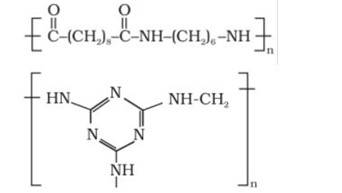
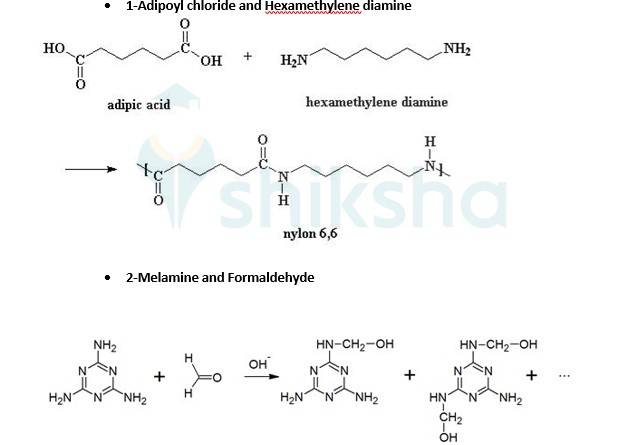
15.22 Identify the monomer in the following polymeric structures.
15.22 Identify the monomer in the following polymeric structures.
 Upvote

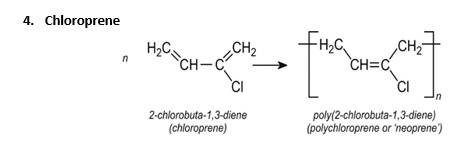
15.21 Write the names and structures of the monomers of the following polymers: (i) Buna-S (ii) Buna-N (iii) Dacron (iv) Neoprene
15.21 Write the names and structures of the monomers of the following polymers: (i) Buna-S (ii) Buna-N (iii) Dacron (iv) Neoprene
15.17 Kindly consider the following

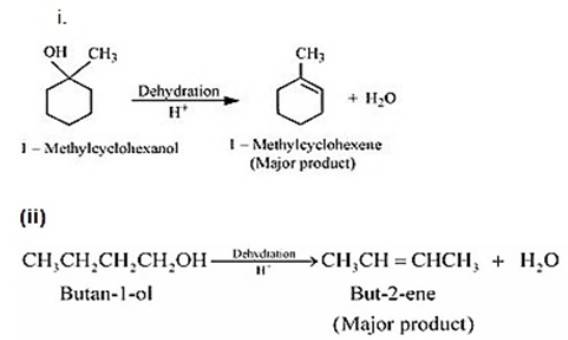
Upvote 11.7 Predict the major product of acid catalysed dehydration of (i) 1-methylcyclohexanol and (ii) Butan-1-ol
11.7 Predict the major product of acid catalysed dehydration of (i) 1-methylcyclohexanol and (ii) Butan-1-ol
Ans. Kindly consider the following
Upvote A natural linear polymer of 2-methyl-1, 3-butadiene becomes hard on treatment with sulphur between 373 to 415K and —S—S— bonds are formed between chains. Write the structure of the product of this treatment?
A natural linear polymer of 2-methyl-1, 3-butadiene becomes hard on treatment with sulphur between 373 to 415K and —S—S— bonds are formed between chains. Write the structure of the product of this treatment?
This is a Long Answer Type Questions as classified in NCERT Exemplar
Ans: While manufacturing tyre rubber, 5 % sulfur is used as a crosslinking agent. A natural linear polymer of 2-methyl-1, 3-butadiene becomes hard on treatment with sulfur and forms vulcanised rubber. The structure of the pro
Upvote Which of the following polymers soften on heating and harden on cooling? What are the polymers with this property collectively called? What are the structural similarities between such polymers? Bakelite, urea-formaldehyde resin, polythene, polyvinyl, polystyrene.
Which of the following polymers soften on heating and harden on cooling? What are the polymers with this property collectively called? What are the structural similarities between such polymers? Bakelite, urea-formaldehyde resin, polythene, polyvinyl, polystyrene.
This is a Long Answer Type Questions as classified in NCERT Exemplar
Thermoplastic polymer
Thermoplastic polymers are linear or slight branched-chain polymers. In this type of polymer, the strong intermolecular force of attraction is present between elastomers and fibers. This type of polymer softens
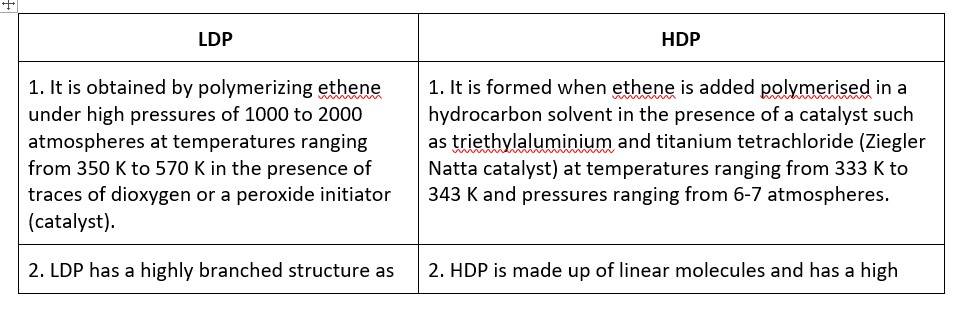
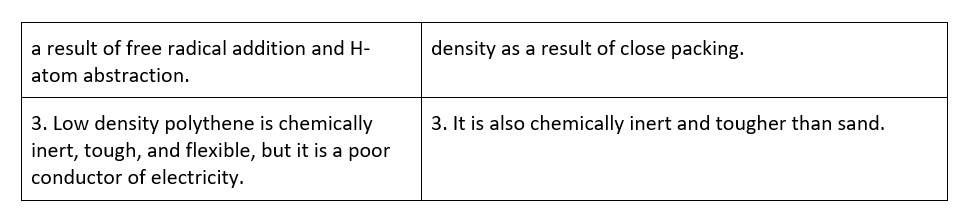
Upvote Low density polythene and high density polythene, both are polymers of ethene but there is marked difference in their properties. Explain.
Low density polythene and high density polythene, both are polymers of ethene but there is marked difference in their properties. Explain.
This is a Long Answer Type Questions as classified in NCERT Exemplar
Ans:
Upvote Phenol and formaldehyde undergo condensation to give a polymer (A) which on heating with formaldehyde gives a thermosetting polymer (B). Name the polymers. Write the reactions involved in the formation of (A). What is the structural difference between two polymers?
Phenol and formaldehyde undergo condensation to give a polymer (A) which on heating with formaldehyde gives a thermosetting polymer (B). Name the polymers. Write the reactions involved in the formation of (A). What is the structural difference between two polymers?
This is a Long Answer Type Questions as classified in NCERT Exemplar
The oldest synthetic polymers are phenol-formaldehyde polymers. These are made by combining phenol and formaldehyde in the presence of either an acid or a base catalyst. The reaction begins with the formation of o-and/or p hydroxyme
Upvote Differentiate between rubbers and plastics on the basis of intermolecular forces
Differentiate between rubbers and plastics on the basis of intermolecular forces
This is a Long Answer Type Questions as classified in NCERT Exemplar
In rubber, the polymer chain are held together by the weakest force of attraction. While, in plastic, the strong intermolecular force of attraction is present between elastomers and fibres.
In rubber, a few crosslinks are introduced
Upvote