Physics

Get insights from 5.6k questions on Physics, answered by students, alumni, and experts. You may also ask and answer any question you like about Physics

Follow Ask Question
5.6k

Questions

0

Discussions

28

Active Users

0

Followers

New answer posted

3 months ago

0 Follower 2 Views

A
alok kumar singh

Contributor-Level 10

XC  = 1/ ωC

On increasing w; XC decreases so Z decreases, current in circuit increases.

New answer posted

3 months ago

0 Follower 1 View

A
alok kumar singh

Contributor-Level 10

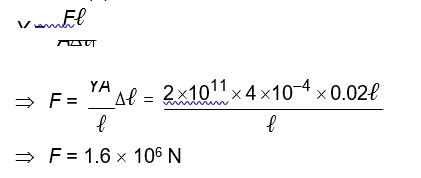
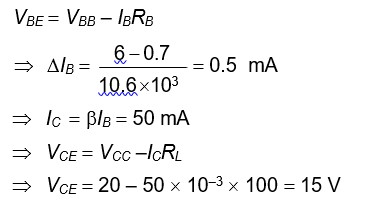
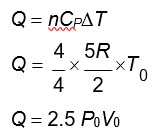
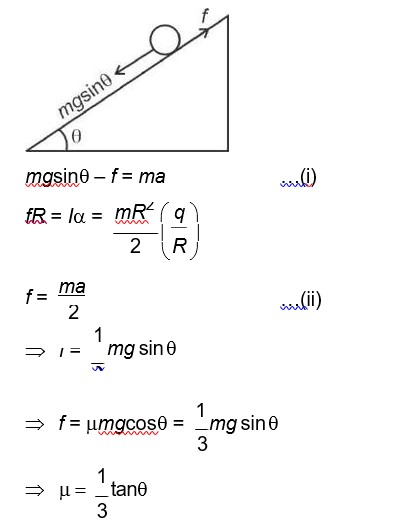
Kindly go through the solution


New answer posted

3 months ago

0 Follower 4 Views

A
Aadit Singh Uppal

Contributor-Level 10

Yes, it strongly depends on the wavelength of the light wave. It is directly proportional to the length i.e. longer the wavelength, more will be the amount of diffraction. Similarly, short wavelength of the light will mean less diffraction comparatively.

New answer posted

3 months ago

0 Follower 1 View

A
Aadit Singh Uppal

Contributor-Level 10

Reflection is the concept of bouncing back of light waves when passed through a surface. Whereas, diffraction is a term used when light waves spread in different directions on being passed through an obstacle. Reflection requires a smooth surface whereas diffraction requires the edge of an object.

New answer posted

3 months ago

0 Follower 1 View

A
Aadit Singh Uppal

Contributor-Level 10

Interference is a concept that forms the base of diffraction, without which diffraction is not practically possible. The waves formed by diffraction form secondary waves which either cross each other, move in directions opposite to each other, or overlap each other. This situation creates some alternating bright and dark fringes called interference.

New answer posted

3 months ago

0 Follower 1 View

A
alok kumar singh

Contributor-Level 10

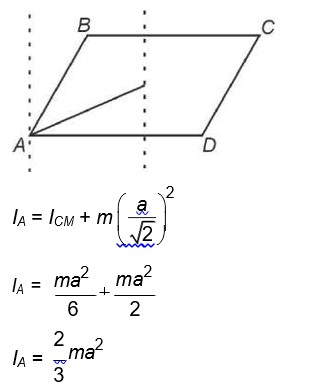
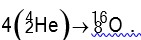
Kindly go through the solution


New answer posted

3 months ago

0 Follower 13 Views

A
alok kumar singh

Contributor-Level 10

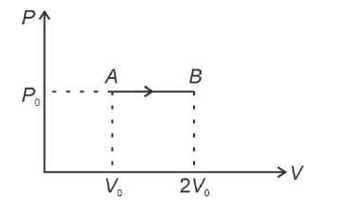
During the process, area under P V graph continuously increases but rate of increment varies.

New answer posted

3 months ago

0 Follower 1 View

A
alok kumar singh

Contributor-Level 10

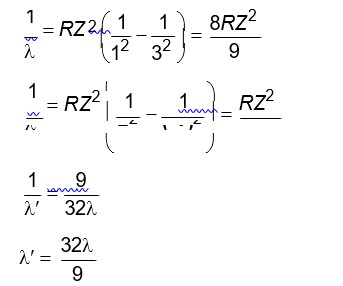
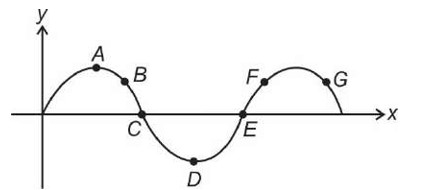
Kindly go through the solution


New answer posted

3 months ago

0 Follower 1 View

A
alok kumar singh

Contributor-Level 10

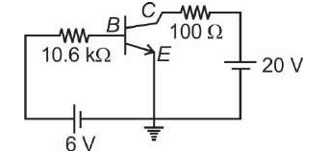
Kindly go through the solution 


New answer posted

3 months ago

0 Follower 1 View

A
alok kumar singh

Contributor-Level 10

In rotational motion, angular velocity of every particle on rigid body will be same. But linear velocity is given as v = r ? .

Get authentic answers from experts, students and alumni that you won't find anywhere else

Sign Up on Shiksha

On Shiksha, get access to

  • 66k Colleges
  • 1.2k Exams
  • 681k Reviews
  • 1800k Answers

Share Your College Life Experience

×
×

This website uses Cookies and related technologies for the site to function correctly and securely, improve & personalise your browsing experience, analyse traffic, and support our marketing efforts and serve the Core Purpose. By continuing to browse the site, you agree to Privacy Policy and Cookie Policy.