Forward march

2 mins read20 Views Comment Call 8585951111Call 8585951111
Updated on Oct 7, 2009 05:22 IST
<p style="text-align: justify;">After graduation, Leena Mahendru* worked for one-and-a-half years as an insurance agent and also as a volunteer in a human rights body. Finding the adrenaline rush missing in both, Mahendru did some soul-searching and&nbsp; joined the Army. <br /><br />&ldquo;Nothing can be more exciting than the defence forces. It is meant for go-getters who are disciplined, programmed to follow their seniors&rsquo; instructions and orders,&rdquo; says Mahendru, now an Army captain. <br /><br />The Army takes you places. Capt Nihal Singh&rsquo;s* love for adventure and sports, too, led him to the&nbsp; Army. &ldquo;I wanted a secure job, which also promised some excitement. Every three or&nbsp; two years, we are posted to a new place. In five years I have spent time in J&amp;K, Punjab and Mumbai. My next posting is likely to be in the Northeast. All this moving around helps you develop a new perspective and enriches you as a person and as an Indian,&rdquo; says Singh.<br /><br />For getting into the Army you must have the passion to serve the country and the courage to overcome obstacles. It is no cakewalk &ndash; with only&nbsp; less than 10 per cent of all Army hopefuls cracking the SSB (Service Selection Board) interviews. The SSB includes a five-day <img style="border: 3px solid black; margin: 3px 4px; float: left;" src="https://images.shiksha.com/mediadata/images/1254916048phpEUTo9y.jpeg " alt="" width="150" height="110">evaluation and an entrance test. The evaluations are done by three assessment officers who observe, analyse and grill candidates.<br /><br />Mahendru provides logistical support and is part of the team supplying provisions to those on the field &ndash; but &ldquo;handling administrative work doesn&rsquo;t mean that I&rsquo;m not trained to shoot the enemy,&rdquo; she says. &ldquo;We are trained to fight any sort of battle &ndash; with or without <br />weapons.&rdquo; <br /><br />Her first challenge came with the first posting &ndash; she was sent to Ladakh, where she braved treacherous climate and survived on canned food. Now she&rsquo;s stationed at a place with greenery all around... a vivid contrast to the previous station. <br /><br />&ldquo;For a civilian it&rsquo;s tough, initially, but you get accustomed to it,&rdquo; says Captain Nisha Thakur*. Most stations allow families to stay with you.&nbsp; A husband-wife pair in the Army can take advantage of the &lsquo;spouse posting&rsquo; rules to get transferred to the same city .<br /><br />It takes heavy-duty training to keep Army personnel geared for both combat and administrative work.&nbsp; One has to also study continuously to upgrade one&rsquo;s skills. Brigadier (retired) HS Nagra joined the Army as a graduate but then did MSc and MPhil in strategic studies as&nbsp; &ldquo;Army officers have to be experts in strategising&rdquo;, he explains.<br /><br />The Army broadly has three arms &mdash; for fighting, support and service.&nbsp; In the fighting arm officers deal with purchase of arms and <img style="border: 3px solid black; margin: 3px 4px; float: right;" src="https://images.shiksha.com/mediadata/images/1254916161phpT5Yd0J.jpeg " alt="" width="150" height="110">ammunition, are sent on combat missions and handle&nbsp; risk-infested tasks. The support arm backs them with ancillary services like electric and mechanical repairs to equipment, telecommunication signals and other technical help. The service arms provide logistical support to the entire army e.g. food supplies, rations and medical services. <br /><br />Post-retirement, there are employment opportunities now. Of late, the corporate world has opened its doors to retired Army personnel, for the method and discipline they bring to any operation. &ldquo;You can't find a better manager than an Army guy,&rdquo; says Nagra. &ldquo;Barring money management, an Army officer can handle departments of human resource, strategy, logistics and administration with meticulous perfection.&rdquo;</p> <p>&nbsp;</p> <p><strong>Author: Vimal Chander Joshi</strong></p> <p><strong>Date: 7th Oct., 2009</strong></p>
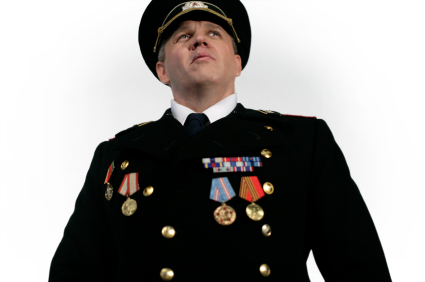
After graduation, Leena Mahendru* worked for one-and-a-half years as an insurance agent and also as a volunteer in a human rights body. Finding the adrenaline rush missing in both, Mahendru did some soul-searching and  joined the Army.

“Nothing can be more exciting than the defence forces. It is meant for go-getters who are disciplined, programmed to follow their seniors’ instructions and orders,” says Mahendru, now an Army captain.

The Army takes you places. Capt Nihal Singh’s* love for adventure and sports, too, led him to the  Army. “I wanted a secure job, which also promised some excitement. Every three or  two years, we are posted to a new place. In five years I have spent time in J&K, Punjab and Mumbai. My next posting is likely to be in the Northeast. All this moving around helps you develop a new perspective and enriches you as a person and as an Indian,” says Singh.

For getting into the Army you must have the passion to serve the country and the courage to overcome obstacles. It is no cakewalk – with only  less than 10 per cent of all Army hopefuls cracking the SSB (Service Selection Board) interviews. The SSB includes a five-day evaluation and an entrance test. The evaluations are done by three assessment officers who observe, analyse and grill candidates.

Mahendru provides logistical support and is part of the team supplying provisions to those on the field – but “handling administrative work doesn’t mean that I’m not trained to shoot the enemy,” she says. “We are trained to fight any sort of battle – with or without
weapons.”

Her first challenge came with the first posting – she was sent to Ladakh, where she braved treacherous climate and survived on canned food. Now she’s stationed at a place with greenery all around... a vivid contrast to the previous station.

“For a civilian it’s tough, initially, but you get accustomed to it,” says Captain Nisha Thakur*. Most stations allow families to stay with you.  A husband-wife pair in the Army can take advantage of the ‘spouse posting’ rules to get transferred to the same city .

It takes heavy-duty training to keep Army personnel geared for both combat and administrative work.  One has to also study continuously to upgrade one’s skills. Brigadier (retired) HS Nagra joined the Army as a graduate but then did MSc and MPhil in strategic studies as  “Army officers have to be experts in strategising”, he explains.

The Army broadly has three arms — for fighting, support and service.  In the fighting arm officers deal with purchase of arms and ammunition, are sent on combat missions and handle  risk-infested tasks. The support arm backs them with ancillary services like electric and mechanical repairs to equipment, telecommunication signals and other technical help. The service arms provide logistical support to the entire army e.g. food supplies, rations and medical services.
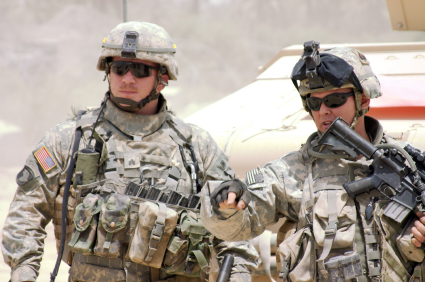
Post-retirement, there are employment opportunities now. Of late, the corporate world has opened its doors to retired Army personnel, for the method and discipline they bring to any operation. “You can't find a better manager than an Army guy,” says Nagra. “Barring money management, an Army officer can handle departments of human resource, strategy, logistics and administration with meticulous perfection.”


Author: Vimal Chander Joshi

Date: 7th Oct., 2009

About the Author
This account contains a repository of informative articles by external authors with domain expertise in various aspects of guiding students on how to go about pursuing their undergraduate and postgraduate studies in Read Full Bio
qna

Comments