IIT Ropar researchers develop algorithm for driver drowsiness detection


It is an industrial and academic challenge to develop drowsiness detection technologies. Multiple techniques have been developed in recent years.
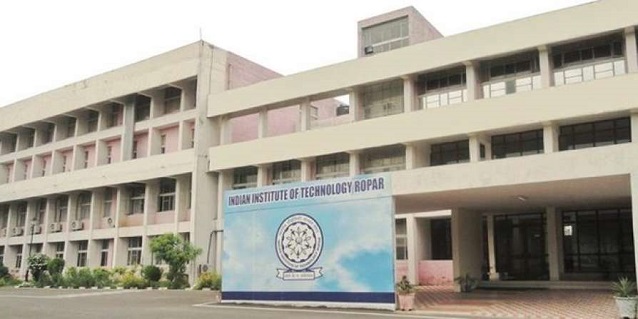
A team of researchers at the Indian Institute of Technology (IIT) Ropar has come up with an algorithm for driver drowsiness detection using machine learning and computer vision.
A study titled ‘Machine Learning Models for Drowsiness Detection’ jointly published by Harshit M and J.M.P. Ganesh of the Department of Mechanical Engineering and Dr. Ashish Sahani of the Center for Bio-Medical Engineering says they used computer vision algorithms to extract facial features such as eye closure and yawning, followed by machine learning techniques to effectively detect driver’s alertness.
It is an industrial and academic challenge to develop drowsiness detection technologies. Multiple techniques have been developed in recent years.
“One method is where the driver’s operation and vehicle behaviour can be monitored by the steering wheel movement, accelerator or brake patterns, vehicle speed, lateral acceleration and lateral displacement. Another set of techniques focuses on monitoring the physiological characteristics of the driver such as heart rate, pulse rate, and electroencephalography. The third set is based on computer vision systems that can recognize the facial changes occurring during drowsiness. The first method is limited by the type and model of the car. The second method though with more accurate results has widely been downplayed due to impracticality in deploying it on a large scale and its intrusive nature. The third method is a very promising one, which we have followed and developed a model on the same,” said the researchers, IIT Ropar.

“We have successfully developed an algorithm using machine learning and computer vision. We used hand-engineered features detecting drowsiness based on human facial expressions. We were able to come up with an effective solution, with little inconvenience caused to the driver in the form of close-to-body sensors and instruments. Also, it will work efficiently irrespective of the model and age of the car. We developed an algorithm to detect a drowsy state in real-time.”
The study said though the proposed machine-learning-based detection can detect drowsiness with reasonable accuracy, there is still scope for improvement in its performance.
Read More:
Follow Shiksha.com for latest education news in detail on Exam Results, Dates, Admit Cards, & Schedules, Colleges & Universities news related to Admissions & Courses, Board exams, Scholarships, Careers, Education Events, New education policies & Regulations.
To get in touch with Shiksha news team, please write to us at news@shiksha.com

She has over 10 years of experience in the education and publishing sectors. She specialises in exam coverage and content creation. At Shiksha, she writes, analyses, and presents information for students preparing f
Read Full Bio