IIM Calcutta releases new code of conduct for faculty; restricts participation in any protest


Aside from prohibiting criticism of the government and the institute and its policies, the code expects teachers to seek prior approval of “the competent authority” to pursue any academic interests outside the institute.
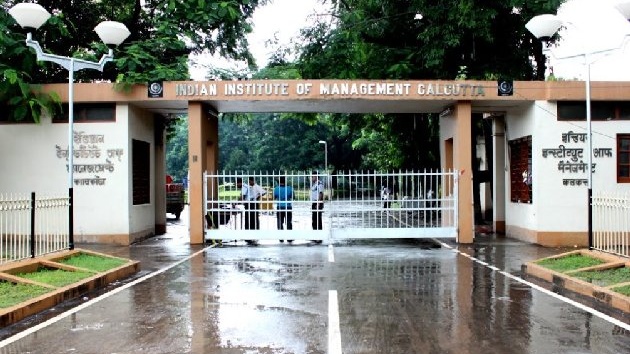
The Indian Institute of Management (IIM) Calcutta has released a new code of conduct for faculty. Among the new code of conduct, key provisions include no criticising the institute or the government, no joining protest demonstrations that hurt “public order” or “decency,” curbs on going to the court or the press, no politics, no signing joint petitions for redressal.
The draft code, circulated late February by former director Anju Seth on behalf of the Board, has met strong resistance from the faculty. In a response signed by over 60 teachers, they have argued that the code, borrowing heavily from the Central Civil Services (Conduct) Rules, goes against the understanding of an academic institution that is expected to promote critical thinking and academic freedom.

It also infringes on their Constitutionally protected rights and goes against the idea of considering academic institutions different from government departments.
Aside from prohibiting criticism of the government and the institute and its policies, the IIM Calcutta code expects teachers to seek prior approval of “the competent authority” to pursue any academic interests outside the institute.
It forbids them from being “a signatory to any joint representation addressed to the authorities for a redress of any grievance” and forwarding their plea for grievance redressal to a higher authority “unless the lower authority has rejected the claim or refused relief, or the disposal of the matter is delayed by more than three months.”
“No employee shall, except with the previous sanction of the competent authority, have recourse to any Court of Law or to the Press for the vindication of any official act which has been the subject matter of adverse criticism or an attack of defamatory character,” the draft states.
Then there is the expectation of maintaining political neutrality and not taking part in politics or being associated with any party or organization that participates in political activity.
Participation in demonstrations that can be considered “prejudicial to the interests of the sovereignty and integrity of India, the security of the State, friendly relations with foreign States, public order, decency or morality or which involves contempt of court, defamation or incitement to any offense” is a no-go area.
Read More:
Follow Shiksha.com for latest education news in detail on Exam Results, Dates, Admit Cards, & Schedules, Colleges & Universities news related to Admissions & Courses, Board exams, Scholarships, Careers, Education Events, New education policies & Regulations.
To get in touch with Shiksha news team, please write to us at news@shiksha.com

She has over 10 years of experience in the education and publishing sectors. She specialises in exam coverage and content creation. At Shiksha, she writes, analyses, and presents information for students preparing f
Read Full Bio