IIT Guwahati researchers to probe high radiation levels from Uranium effluent tanks in Meghalaya


On the basis of the findings, the state government had taken the decision to undertake a separate study on the rocks and sediments of Phud Syngkai and get them analysed at a credible laboratory to determine the exact cause of the radiation.
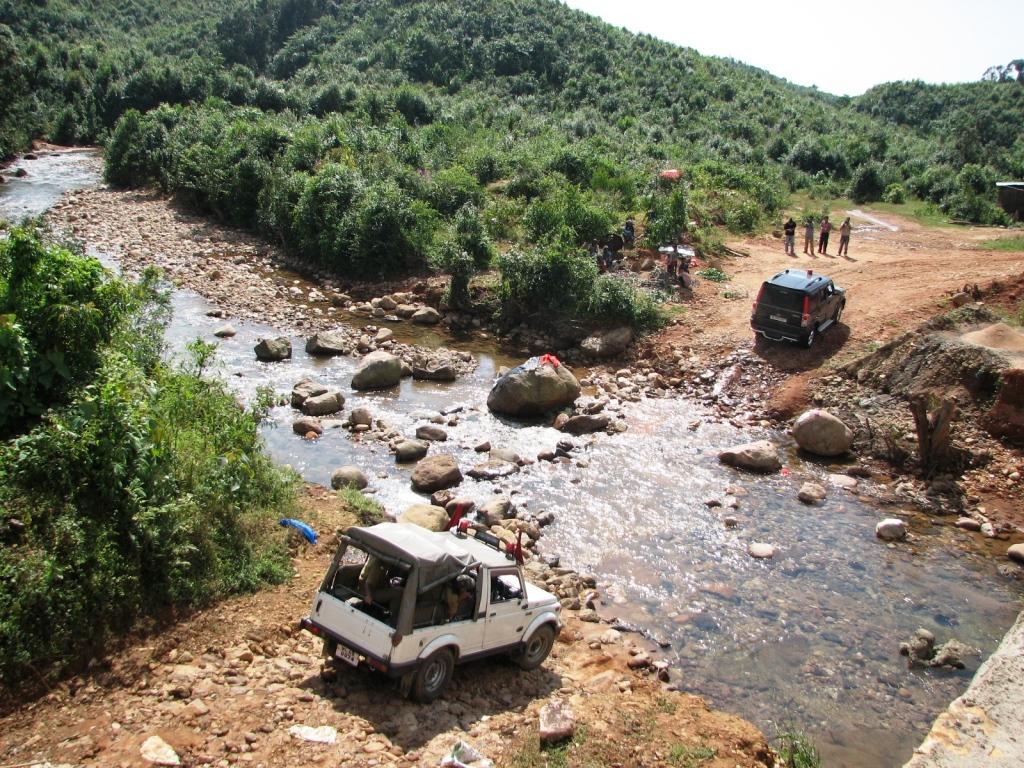
Four days after a team of experts from the North-Eastern Hill University (NEHU) found high radiation levels 100 feet from the source of rivulet Phud Syngkai, the Meghalaya government has appointed team of researchers from the Indian Institute of Technology (IIT) Guwahati to carry out further investigations. The NEHU report came four months after cracks and leaks were found from uranium effluent tanks at Nongbah Jynrin, which raised and renewed concerns about the potential exposure of the people to radiation downstream.
Meghalaya Deputy Chief Minister Prestone Tynsong said that a team of experts from IIT Guwahati will now carry out a detailed investigation after examining the areas that saw higher than safe levels of radiation.

In 2020, the Meghalaya government had asked NEHU and IIT-Guwahati to carry out separate studies at the site. According to the report submitted by NEHU last month, radiation levels in uranium tanks at Nongbah Jynrin were within safe levels. The team, however, found that radiation levels were much higher than the safe limits about 100 feet away from the source of Phud Syngkai, a rivulet, which the team said required further study.
On the basis of the findings, the state government had taken the decision to undertake a separate study on the rocks and sediments of Phud Syngkai and get them analysed at a credible laboratory to determine the exact cause of the radiation.
Meanwhile, the Khasi Students’ Union (KSU), which has been highlighting the issue of high and hazardous radiation levels, has now demanded an independent inquiry into the issue .Earlier, KSU members along with environmental economist Dr Bremley WB Lyngdoh had visited the sites and said the tanks allegedly containing uranium were leaking and emitting foul smell.
Read More:
Follow Shiksha.com for latest education news in detail on Exam Results, Dates, Admit Cards, & Schedules, Colleges & Universities news related to Admissions & Courses, Board exams, Scholarships, Careers, Education Events, New education policies & Regulations.
To get in touch with Shiksha news team, please write to us at news@shiksha.com

She has over 10 years of experience in the education and publishing sectors. She specialises in exam coverage and content creation. At Shiksha, she writes, analyses, and presents information for students preparing f
Read Full Bio