University of Hyderabad researchers decodes link for curbing malaria


The significant discovery will help in the development of new drugs to treat malaria, that has already become resistant to the several existing drugs, the researchers said.
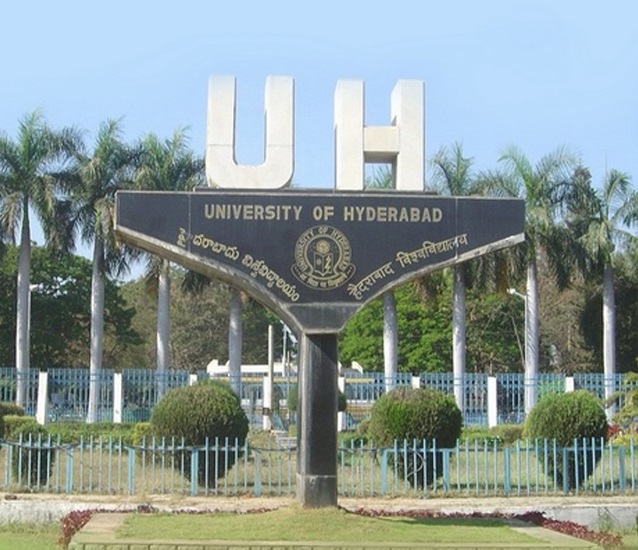
A team of researchers at the University of Hyderabad (UoH) has decoded a link for finding a potential cure for malaria. The research team, led by Professor Mrinal Bhattacharya, found a correlation between the fever that is induced by malaria and the antigenic variation of malarial parasites. This novel discovery could be the next big step in finding a cure for malaria.
The significant discovery will help in the development of new drugs to treat malaria, that have already become resistant to the several existing drugs, the researchers said.
The protein from the malarial parasite which is under study, known as PfEMP1, is the most predominant molecular determinant of antigenic variation in this parasite. There could be up to 90 variants of this protein and only one protein is expressed at a given time, and this expression is completely random.
These proteins do not live through multiple generations as the malaria parasites keep changing from one protein form to the other, hence the human host fails to mount a robust antibody response against these variant proteins.

The present study uncovered how the parasites manipulate the expression of malarial proteins on the surface of the infected red blood cells in response to fever, which is the most common manifestation of the disease. The findings suggest that targeting the parasitic proteins involved in the heat-shock response during fever is likely to restrict the antigenic variation in the parasites, and thereby prevent malaria. The study was published in the journal named Molecular Microbiology.
Read More:
Follow Shiksha.com for latest education news in detail on Exam Results, Dates, Admit Cards, & Schedules, Colleges & Universities news related to Admissions & Courses, Board exams, Scholarships, Careers, Education Events, New education policies & Regulations.
To get in touch with Shiksha news team, please write to us at news@shiksha.com

She has over 10 years of experience in the education and publishing sectors. She specialises in exam coverage and content creation. At Shiksha, she writes, analyses, and presents information for students preparing f
Read Full Bio