IIT Madras researchers develops method to improve hazy surveillance camera images


IIT Madras researchers have developed an enhanced image processing technique to avoid haze images.
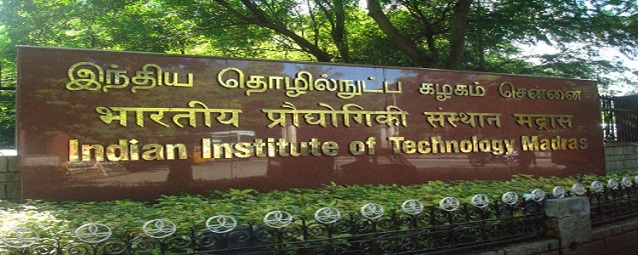
A team of Indian Institute of Technology (IIT) Madras Researchers has come up with an enhanced image processing techniques to mitigate the impact of haze on images captured by surveillance cameras. This may prove helpful in law enforcement agencies to solve crimes and help the common public as many communities are now installing CCTVs to safeguard themselves. The research developed by the institute can also be applied to self-driving and autonomous vehicles as they also require high-quality images taken by cameras for efficient and safe navigation, especially in urban areas. Though CCTV cameras helpful in providing the evidence of a crime, at times the images are not clear on foggy or hazy days.
A team of researchers led by Professor A.N. Rajagopalan, Institute Chair Professor, Department of Electrical Engineering, IIT Madras, proposed a new approach to increase the visibility of images degraded by haze. The result of their research was published in the prestigious international peer-reviewed journal of IEEE Transactions on Image Processing. This is a major step forward in the area of computational photography and image processing.
While commenting on the research, Prof. A.N. Rajagopalan said, "Most computer vision applications including surveillance, terrain classification and autonomous navigation, among others, require high quality pictures and haze can severely undermine performance. 'Image de-hazing' is beneficial even in personal and public transportation systems. Reducing the effect of haze is a very challenging problem, more so when only a single observation of the scene is available. Now that we have a process in place which can yield almost haze-free images, surveillance can be done in a better way especially in winters or in mountainous regions. After this successful research, we are looking at addressing heavy haze and other adverse weather conditions,

Follow Shiksha.com for latest education news in detail on Exam Results, Dates, Admit Cards, & Schedules, Colleges & Universities news related to Admissions & Courses, Board exams, Scholarships, Careers, Education Events, New education policies & Regulations.
To get in touch with Shiksha news team, please write to us at news@shiksha.com

She has over 10 years of experience in the education and publishing sectors. She specialises in exam coverage and content creation. At Shiksha, she writes, analyses, and presents information for students preparing f
Read Full Bio