IIT Bombay researchers develop cost-efficient method to extract Hydrogen from water


While compounds of cobalt are also well-known catalysts, researchers from the department of chemistry at IIT-B have developed a way of making this catalyst more energy efficient.
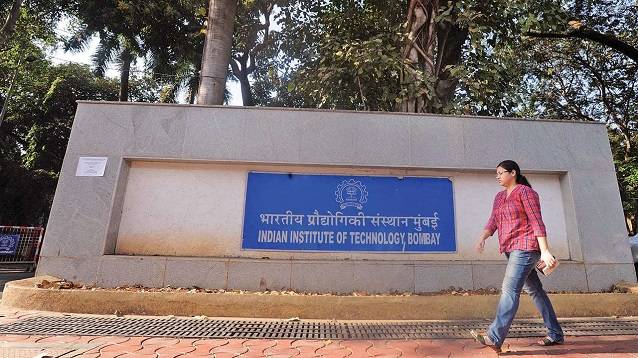
A team of researchers at the Indian Institute of Technology (IIT) Bombay have come up with an energy and cost-efficient method of extracting hydrogen from water. This is likely to significantly bring down the cost and time of producing hydrogen gas, which is widely used as a clean fuel as it releases water upon combustion.
Conventionally, hydrogen is extracted from water by inserting two electrodes across the water and passing a current through it. Since this is a time-consuming process, chemical elements such as metals are used as catalysts to speed up the process. Metals such as platinum, rhodium, and iridium are used as catalysts for electrolysis but are very expensive.
While compounds of cobalt are also well-known catalysts, researchers from the department of chemistry at IIT-B have developed a way of making this catalyst more energy efficient. Their study was published in the journal ACS Sustainable Chemistry and Engineering on June 2.

“We have developed florets of nanostructured hard carbon (used as electrodes in electrolysis). These florets, arranged like a marigold flower, can act as a suitable support for attaching the catalyst. While compounds of Cobalt as a catalyst are well-known, the interface between the catalyst and carbon was developed by us,” said Chandramouli Subramaniam, associate professor, department of chemistry.
To speed up the electrolysis, the researchers did not rely on the electric field alone but also introduced magnetic fields. They found that if they introduced a small fridge magnet near their setup, the reaction speed increased about three times.
“We found that the electrolysis consumed 19% less energy in a stipulated time when there was a magnetic and electric field in comparison to the electric field alone,” said Jayeeta Saha, lead author and doctoral student at IIT-B.
“This is because the catalyst we have designed can sustain the magnetisation for prolonged periods, the key being the development of a synergistic carbon-metal oxide interface. A one-time exposure of the magnetic field is enough to achieve the high speed of hydrogen production for over 45 minutes,” said Saha. Based on the standard market cost of cobalt which is used as a raw material in this study, the catalyst costs at least 800 times lower than platinum.
Read More:
Follow Shiksha.com for latest education news in detail on Exam Results, Dates, Admit Cards, & Schedules, Colleges & Universities news related to Admissions & Courses, Board exams, Scholarships, Careers, Education Events, New education policies & Regulations.
To get in touch with Shiksha news team, please write to us at news@shiksha.com

She has over 10 years of experience in the education and publishing sectors. She specialises in exam coverage and content creation. At Shiksha, she writes, analyses, and presents information for students preparing f
Read Full Bio