IIT Bombay researchers proposes piezoelectric material with better piezoelectric response


The novel material, called Graphene Reinforced Piezoelectric Composite (GRPC), has fibres of PZT (lead zirconate titanate) — an often-used piezoelectric material — and graphene nanoparticles embedded in an epoxy base.
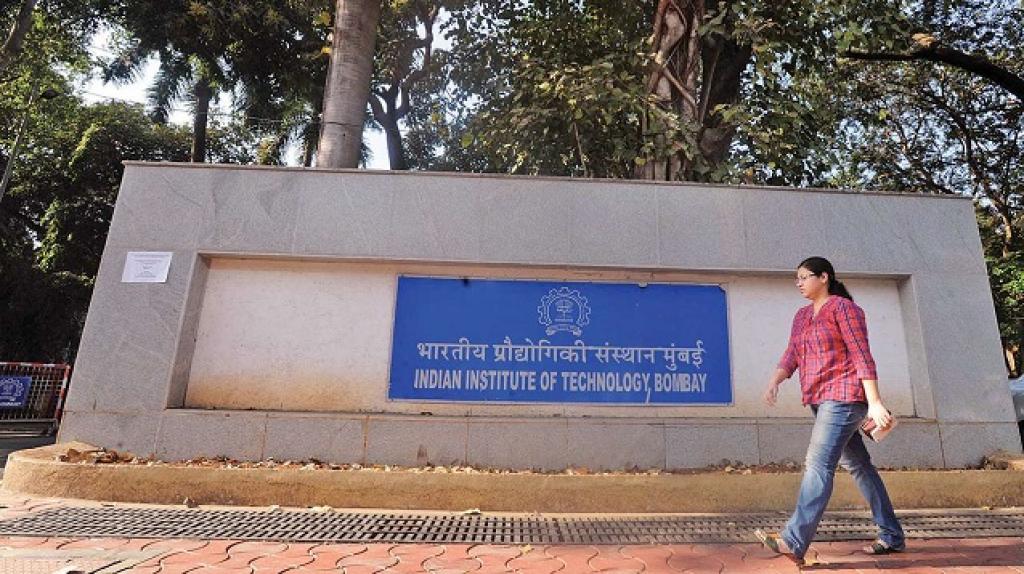
A recent study done by a team of researchers at the Indian Institute of Technology (IIT) Bombay has proposed a new piezoelectric material with a better piezoelectric response than the commonly-used piezoelectric ceramics. That is, the material could produce a large force from a small input electric signal. Their findings have been published in the European Journal of Mechanics - A/Solids.
The novel material, called Graphene Reinforced Piezoelectric Composite (GRPC), has fibres of PZT (lead zirconate titanate) — an often-used piezoelectric material — and graphene nanoparticles embedded in an epoxy base. PZT is very brittle and requires epoxy to enhance the material’s strength.

A good piezoelectric material has a large piezoelectric response and a high elastic coefficient. This means that, in the case of vibration dampers on aircraft, the piezoelectric device generates a larger force for the same electric signal and is stiff and maintains its shape. “The difference between a high and low elastic coefficient material is that between aluminum and rubber,” elaborates Prof. Naskar.
The team investigated GRPC’s piezoelectric response and elastic coefficient using theoretical and computational models. These theoretical models used the properties of each constituent material and their proportions to calculate these properties. Some models also considered how the different components interacted with one another. While theoretical models can provide quick insights, they are still limited by their assumptions, which need to be investigated. “Our computational models accounted for the different shapes and orientations of PZT fibre and graphene nanoparticles,” adds Dr. Kishor Balasaheb Shingare of IIT Bombay, explaining the importance of their computations.
Dr. Shingare investigated both GRPC and the conventional PZT-epoxy material- a piezoelectric ceramic- and compared their properties. They applied an electric field and stretched the materials in different directions in the simulation to check for stress developed in the materials. They observed that both piezoelectric and elastic properties of GRPC were better than in conventional PZT-epoxy materials. The presence of graphene made deformation more difficult, and the GRPC devices could remain rigid and maintain their shape while also generating about double the force in the presence of electric fields.
Read More:
Follow Shiksha.com for latest education news in detail on Exam Results, Dates, Admit Cards, & Schedules, Colleges & Universities news related to Admissions & Courses, Board exams, Scholarships, Careers, Education Events, New education policies & Regulations.
To get in touch with Shiksha news team, please write to us at news@shiksha.com

She has over 10 years of experience in the education and publishing sectors. She specialises in exam coverage and content creation. At Shiksha, she writes, analyses, and presents information for students preparing f
Read Full Bio