IIT Kharagpur's study finds toxic levels of Arsenic in Groundwater in 20% of India


Arsenic is highly toxic in its inorganic form, with long-term exposure to the element from drinking-water and food potentially causing cancer and skin lesions, among other disorders, according to the World Health Organisation (WHO).
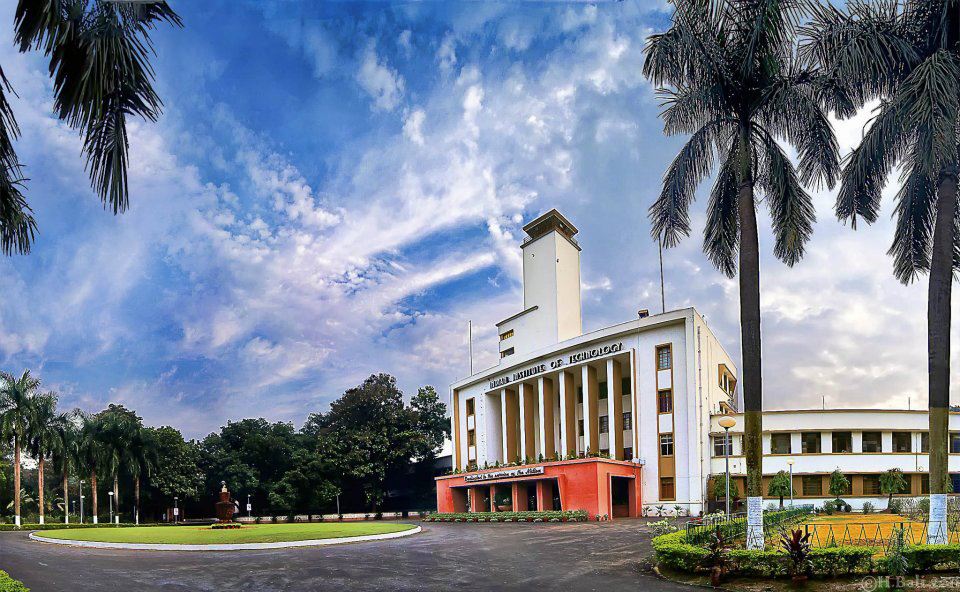
A study done by a team of researchers at Indian Institute of Technology (IIT) Kharagpur has found that almost 20 per cent of India's total land area has toxic levels of arsenic in its groundwater, exposing more than 250 million people across the country to the poisonous element. The study was done using Artificial Intelligence (AI) based prediction modelling.
According to the researchers from IIT Kharagpur, the findings suggest a much greater extent of the high arsenic zones and total population exposed than already known from arsenic sampling exercises and reports by various governmental and non-governmental organisations. The research, published in the journal Science of the Total Environment, indicates the need for a much more rigorous sampling of arsenic levels across India than what exists.
Arsenic is highly toxic in its inorganic form, with long-term exposure to the element from drinking-water and food potentially causing cancer and skin lesions, among other disorders, according to the World Health Organisation (WHO).

The current study noted that these high arsenic areas are mostly located along the Indus-Ganga-Brahmaputra river basin and in pockets in Peninsular India. It said the states of Punjab (92 per cent), Bihar (70 per cent), West Bengal (69 per cent), Assam (48 per cent), Haryana (43 per cent), Uttar Pradesh (28 per cent), and Gujarat (24 per cent) show the highest areal extent of elevated groundwater arsenic zones. These are followed by sporadic occurrences in the states of Madhya Pradesh (9 per cent), Karnataka (8 per cent), Odisha (4 per cent), Maharashtra (1 per cent), and south-eastern part of Jammu & Kashmir (1 per cent), the researchers said.
Apart from these, all other states are found to have negligible or mostly no arsenic hazard, they added. "A total of more than 250 million people are estimated to be exposed to high arsenic in India," said Abhijit Mukherjee, Associate Professor at the Indian Institute of Technology Kharagpur, West Bengal. "Our study indicates a strong influence of irrigational abstraction (of groundwater) and regional geology on arsenic distribution patterns within India," Mr Mukherjee, the lead author of the study, told a media house.
In the study, the scientists used advanced AI to model the occurrence of arsenic above its national permissible limit of 10 microgrammes per litre (μg/L) in the groundwater across India based on the various geologic, hydrogeologic and anthropogenic factors that have been known to control the groundwater arsenic distribution in the aquifers.
Read More:
Follow Shiksha.com for latest education news in detail on Exam Results, Dates, Admit Cards, & Schedules, Colleges & Universities news related to Admissions & Courses, Board exams, Scholarships, Careers, Education Events, New education policies & Regulations.
To get in touch with Shiksha news team, please write to us at news@shiksha.com

She has over 10 years of experience in the education and publishing sectors. She specialises in exam coverage and content creation. At Shiksha, she writes, analyses, and presents information for students preparing f
Read Full Bio