
Mobility is game-changer in conventional education. What’s next?
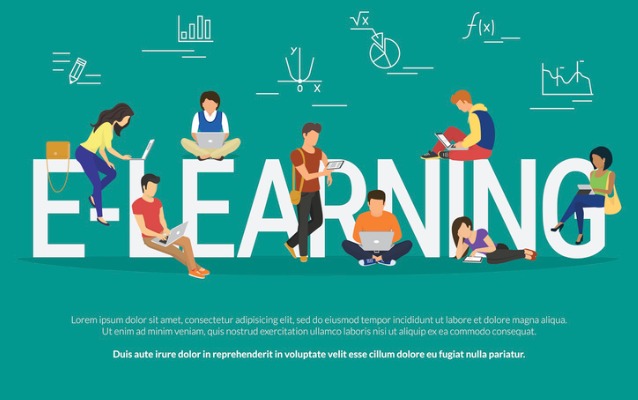
In the past few weeks, the pandemic outbreak followed by a lockdown in many countries is reminding us of the volatility, uncertainty, complexity and ambiguity of the world. It is taking us through an experience that will help us rise in our way of work and business processes. The innovation heads have immersed themselves to immune the regular business functioning during a global health crisis.
On the other hand, technology has helped us not to lock down our social connections. While streets and some of the busiest places in our cities have fallen silent, we have begun interesting conversations from home – some in person and some online. Our smartphones have become our window to talk to our neighbours, friends and relatives. The mobile technology is certainly keeping the young and old entertained and engaged with old classic films. And mobile, the fourth estate, has become the centre stage for live music artists and stand up comedians. A lot has changed in the past few weeks.
Besides children, learners in higher education are exploring ways to be recreational. Teachers are unlearning and relearning the nuances of teaching online. With this, the audience for online education is surely changing.

Not many years from now, distance education was the only segment in higher education that offered blended learning, a mix of online and offline lectures. These students who applied for online programmes mostly came from Tier-II cities. But the demographics of this target audience are now evolving. New users shifting to online education are the management education aspirants who opted for entrance exams and are most likely using online up-skilling programmes. Recent studies show, almost 2.44 lakh students had applied for CAT 2019. The student number from other management exams such as XAT, MAT, ATMA, GMAT, CMAT is testimony to the demand for higher education which will gradually reflect on the need for online higher education segments. The startups in online education that once were connected to school going students will see a surge in the demand for online MBA education. The impact of current lockdowns in the conventional forms of education across the globe is clearly visible. It has made even the conventional classroom study in schools, colleges and B-schools to become accessible from any location on multiple devices. Educational institutes are steadily phasing online education and trying to cope with the academic calendar. The right application of technology could connect educational institutes to 1.3 billion students globally that have been unable to attend school or university as on March 23, 2020.
However, will mobility be the game changer in conventional education and what’s next?
The new emerging forms that will keep learning non-disrupted by pandemics and emergency like situations will need a multi-stakeholder approach. Co-creation and collaboration with government, corporate organisations, start-ups and B-Schools have the potential to bring reach, experiential knowledge, technology and academic narrative together. The content will aim at imparting knowledge, improving interactivity and allowing hands-on learning from devices at home. The flexibility will allow the students to learn more in less time. While the impact will need to be measured for conventional schooling, college and university programmes, online education is certainly on cards for the education sector across the globe.
As the world will move to become more mobile in business and education in the coming months, the education reforms in India will witness a refreshing change as well. I anticipate that many educational institutes will explore blended learning sooner than later. The curriculum of the future will include classroom learning as well as online learning, to give students a new experience of knowledge development.
About the author
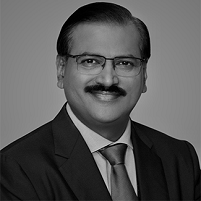
Dr Uday Salunkhe is the Group Director of S. P. Mandali’s Prin. L. N. Welingkar Institute of Management Development and Research (WeSchool). He has over 35 years of rich corporate and academic experience.
Note: The views expressed in this article are solely author’s own and do not reflect/represent those of Shiksha

News & Updates
Photos & Videos


+27
- Top Colleges Colleges in Mumbai (All)
- Top Commerce Colleges in Mumbai (All)
- Top Mass Communication Colleges in Mumbai (All)
- Top Private Medical Colleges in Mumbai (All)
- Top Private Fashion Design Colleges in Mumbai (All)
- Top Hospitality Management Colleges in Mumbai (All)
- Top Overall Colleges in Mumbai (All)
- Top Hotel Management Colleges in Mumbai (All)
- Certificate colleges in Mumbai
- MBA colleges in Mumbai
- Executive MBA colleges in Mumbai
- UG Diploma colleges in Mumbai
- Ph.D. colleges in Mumbai
- Business & Management Studies colleges in Mumbai
- Mass Communication & Media colleges in Mumbai
- Hospitality & Travel colleges in Mumbai
- Banking, Finance & Insurance colleges in Mumbai
- IT & Software colleges in Mumbai
- Humanities & Social Sciences colleges in Mumbai
- Design colleges in Mumbai
- Medicine & Health Sciences colleges in Mumbai
- Accounting & Commerce colleges in Mumbai
Contact Details
Address
Lakhamsi Napoo Road, Nr. Matunga (Central Rly)
Matunga West, Mumbai ( Maharashtra)
Get details of Similar Colleges
Symbiosis Institute of Operations Management, Symbiosis International, Nashik
Garware Institute of Career Education and Development, University of Mumbai

Student Forum
 Anything you would want to ask experts?
Answered a month ago
The Welingkar Institute of Management has great faculty where most of the teachers have a PhD degree. The faculty is highly qualified and educated in their particular field of study, and also organizes guest lectures and industry visits, which play a key role in the development of the students. The
M
Contributor-Level 6
Answered 3 months ago
The real domestic average package for the PGDM in Retail Management hovers around INR 11.07 LPA.
Companies like Amazon, Bata, Shoppers Stop, Reliance Retail, Aditya Birla Fashion and Retail recruit for retail roles for roles like assistant store managers, territory executives or floor operations wit
A
Contributor-Level 10
Answered 3 months ago
To get admission in the Certificate courses at Welingkar Mumbai candidates must have successfully passed Class 12 from a recognised board or hold a Diploma from a recognised university. No entrance exams are required, making it ideal for freshers and entry-level executives.
R
Contributor-Level 10
Answered 3 months ago
No, candidates cannot apply offline at Welingkar Mumbai. The application process is conducted online, and applicants should fulfil the eligibility criteria before applying for admission.
R
Contributor-Level 10
Answered 3 months ago
Welingkar Mumbai offer both full-time and part-time courses. The college offers PGDM as its flagship programme in full-time mode. Other courses offered by the college include Master of Management Studies (MMS), Executive PGDM, 11-Month Post Graduate Programs (PGP) and Certificate Courses in differe
R
Contributor-Level 10
Answered 3 months ago
To secure admission at Welingkar Mumbai (WeSchool), candidates need a bachelor's degree with a minimum of 50% aggregate marks. The institute accepts scores from competitive exams like CAT, XAT, CMAT, ATMA or GMAT.
Shortlisted candidates must then undergo a Group Discussion and Personal Interview (GDP
R
Contributor-Level 10
Answered 3 months ago
Welingkar Mumbai accepts valid score of CAT for admission in the PGDM programme. However, the institute accepts valid score of other national-level entrance exams such as: CAT, XAT, ATMA, CMAT and GMAT.
R
Contributor-Level 10
Answered 3 months ago
The total tuition fee of Executive MBA at Welingkar Mumbai is INR 4 Lacs to INR 7 lakhs. This number is taken from the official sources of college. It can change.
R
Contributor-Level 10
How is the faculty at the Welingkar Mumbai?