IIT Delhi researchers develop method to convert e-waste to metals, fuels


The research led by K K Pant, professor and head of chemical engineering of the catalytic reaction engineering department, the technology is an outcome of the fund received from the department of science and technology, the government of India.
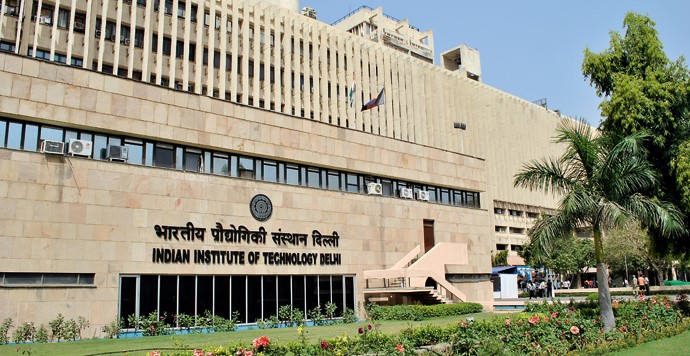
A team of researchers at the Indian Institute of Technology (IIT) Delhi has developed a technology to convert Ewaste to wealth. The technology, a zero-waste one will tackle the menace of e-waste, a statement from the institute said. This development will cater to the need of “Smart Cities,” “Swachh Bharat Abhiyan,” and “Atmanirbhar Bharat” initiatives of the Indian government via waste to wealth generation in decentralized units.
The research led by K K Pant, professor and head of chemical engineering of the catalytic reaction engineering department, IIT Delhi, the technology is an outcome of the fund received from the department of science and technology, the government of India.

“Electronic waste (e-waste) generation is inevitable and if the problem is not addressed now, it will lead to mountains of solid waste sooner or later. The technology pioneered by our research group is an integrated approach that will provide an environment-friendly solution to treat e-waste with the added advantage of metal recovery and fuel production,” said Pant adding, “we have successfully demonstrated the application of our technology for recycling the Waste Printed Circuit Boards (WPCBs) of computers and mobile phones - a highly complex part of any e-waste.”
A 10 kg/h (Kilogram per hour) pyrolysis plant has been installed for e-waste recycling at the institute. This will convert all types of e-waste to combustible gases of 28 MJ/kg (Megajoule per Kilogram) calorific value, a liquid fuel of 30 MJ/kg calorific value, and a metal-rich solid residue, the statement said The process consists of three steps, Pyrolysis of e-waste, Separation of metal fraction and recovery of individual metals.
In the first step, e-waste is shredded to produce liquid and gaseous fuel and a metal-rich solid fraction. In the second step, the leftover solid residue is further processed which yields 90 to 95 per cent pure metals mixture and some carbonaceous materials. The carbonaceous material is then converted to aerogel for oil spillage cleaning, dye removal, carbon dioxide capture, and use in supercapacitors. The third step involves recovering individuals metals at a low-temperature. A roasting technique is employed to recover metals such as copper, nickel, lead, zinc, silver and gold from the metal mixture.
Read More:
Follow Shiksha.com for latest education news in detail on Exam Results, Dates, Admit Cards, & Schedules, Colleges & Universities news related to Admissions & Courses, Board exams, Scholarships, Careers, Education Events, New education policies & Regulations.
To get in touch with Shiksha news team, please write to us at news@shiksha.com

She has over 10 years of experience in the education and publishing sectors. She specialises in exam coverage and content creation. At Shiksha, she writes, analyses, and presents information for students preparing f
Read Full Bio